
The Pendulum Swings Back - Body Positivity in Fashion
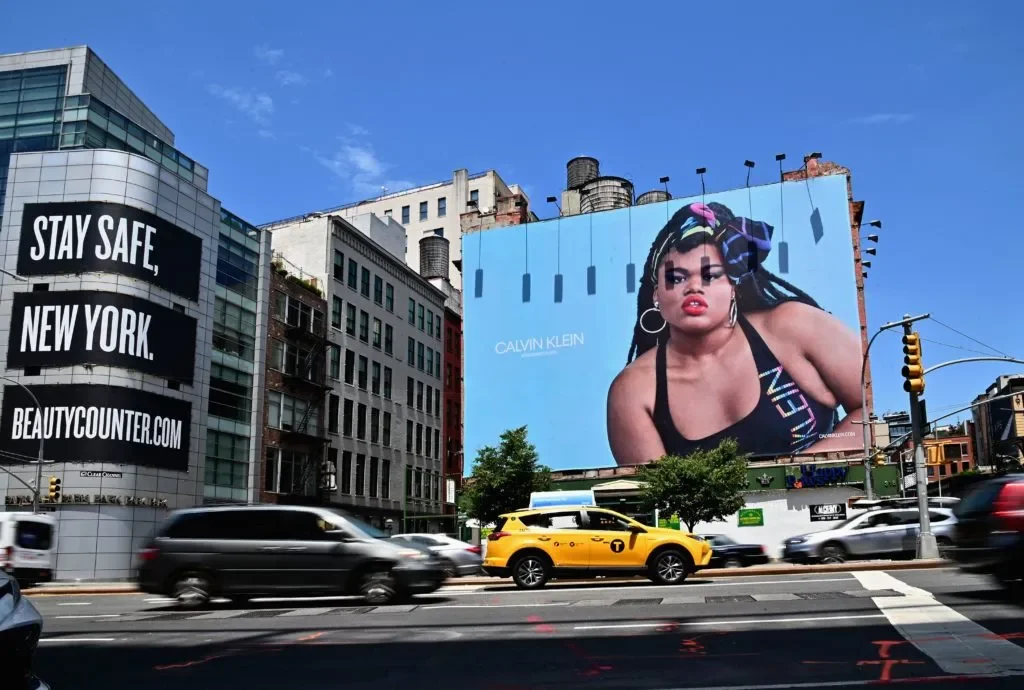
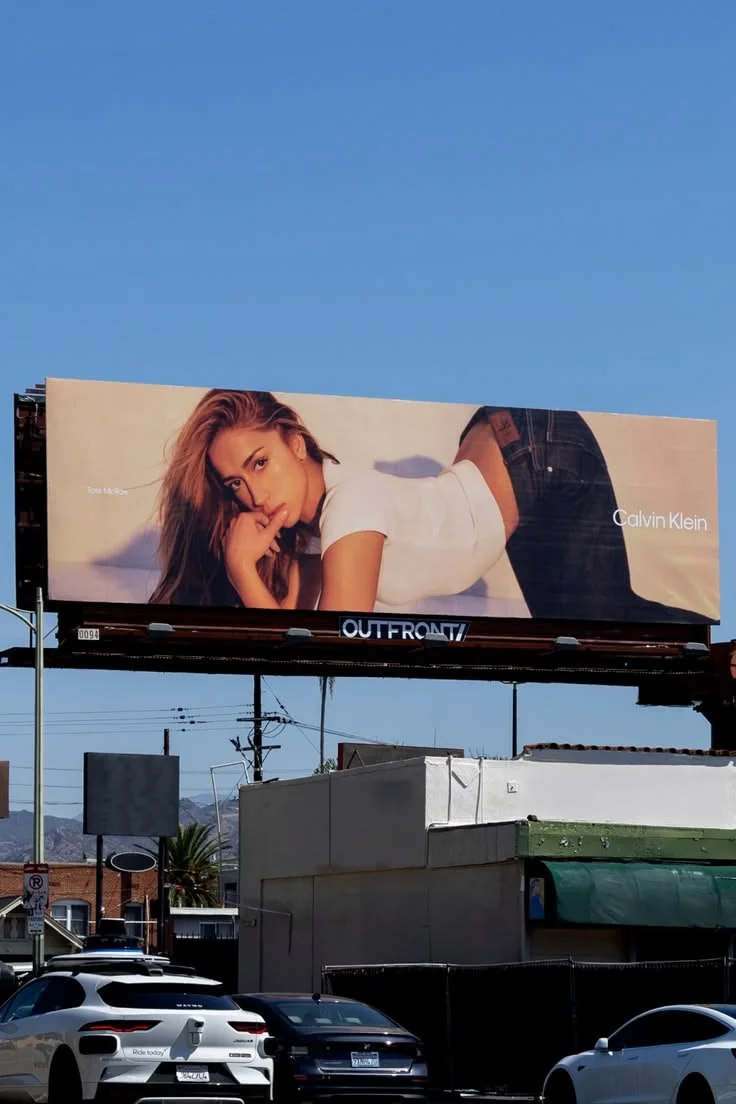
The 2000s had ‘heroin chic’ (which is a crazy name). The 2020s now have ‘skinny chic’.
I’m sure we all can remember the skinniness epidemic in the 2000s. All popular (primarily female) musicians, models, actresses etc. were all thin, heralded around for their chic look and fashionable style. The moment they went above the ‘standard’ (being like an AUS size 8 and above) they were reprimanded on the covers of magazines and daytime talk shows. And many faced the journey of becoming thin to fit into the beauty standards and ‘become successful’.
This applied heavily to the fashion industry, whose focus is how clothing fits and adorns the human body. It was highly unlikely to find a runway with many, if any, mid or plus size models. All the supermodels at the time were very thin, and the ‘aesthetic’ trickled down from there. All runway clothing was made in a ‘sample size’ (often AUS size 4-8), which set the standard for models - if you wanted to walk in those shows, you needed to be that size. And for clothing brands, typically the largest size you could find is a AUS size 16, which meant that any plus size customers needed to shop at specialty stores. It created a wall in the industry, us and them, those who ‘fit the mould’ and those who didn’t. And those two groups rarely mixed.
The Major Shift
The body positivity movement has its roots formed in the 1960s, but it reached widespread attention in the mid-2000s and 2010s, as social media and the internet was rising as a worldwide phenomenon. Those who previously didn’t have a voice in the media, could share their experiences and find a community of like-minded individuals. They had a channel to directly influence brands and industries to do better, to be more inclusive and to increase their representation in the media.
And from there, things changed. Brands were being held accountable and social media movements brought to light just how little representation the plus size community had, especially in fashion.
Jes Baker shot her own Abercrombie & Fitch (which is a whole story of itself) photoshoot, after the brand refused to sell plus sized clothing to appeal to the “attractive, cool kids in America”. This viral moment and backlash caused the brand to promise a wider size range a year later.
Plus size models graced the covers of Cosmopolitan in 2018 and Sports Illustrated in 2016.
Kim Kardashian (and the Kardashian family overall) showcased a ‘curvier’ look, (and whilst it’s unrealistic in its own right) created space for mid, plus sized and curvier women to find their space in the fashion industry.
Brands like Victoria’s Secret introduced plus sized models in 2019 after backlash from customers and social media. Rihanna’s Savage x Fenty lingerie brand debuted with a runway show featuring every and all body types. Modelling agencies were scouting plus sized models and featuring them widely in their ad campaigns and runway shows.
For customers and social consumers, the body positive movement was having a definitive effect. A 2019 study showed that even brief exposure to body positive posts created improvements in mood, body satisfaction and body appreciation. It became a snowball effect, creating praise and backlash for brands, and community for customers.
At this point, it really felt like things were moving in the right direction. Until, they weren’t. Around 2020, things started to shift. Maybe it was COVID, maybe just the changing political nature of the world, but things were going backwards.
Temporary Inclusion
Plus sized models are being booked less and if they are, its a very small minority - often a ‘token’ booking to virtue-signal being inclusive. Out of the 182 runway shows for FW26 (across Paris, Milan, London and New York), only 2.4% were over a size AUS 10, according to Vogue. And for customers, the same thing is happening. For brands shown at all fashion weeks for the FW26 season, most brands only sell up to a AUS size 18.
The buyable range is small, and the visibility is even smaller.
Influencer culture has a stronger hold on what brands are producing and what people are wearing, with the most popular influencers being skinny, conventionally-attractive white women. And now, with the introduction of weight-loss GLP-1 drugs like Ozempic and Wegovy, things are just getting worse. Actresses, musicians and influencers are suddenly showcasing an incredibly thin image, some to the point of concern.
Like anything with fashion, it’s always cyclical. You’ll find that trends re-emerge in one way or another every 20 or so years. However, I don’t think the body positive movement is a cyclical trend, its a systematic retreat - away from acceptance and accountability. It’s incredibly unfortunate, right when you think the industry is changing for the better, the pendulum swings the other way. The traditional beauty standard still has its claws in the fashion industry, and society as a whole. That’s part of the reason that weight-loss drugs are so widely used, even by those who don’t need to, to fit a standard that is just concerning at this point.
The body positive movement is being rolled back, right in front of our eyes. Brands are choosing to stay focused on straight & sample sizes, either for ‘aesthetic’, cost cutting, or to stay just out of reach for the ‘average’ customer.
Frankly, it’s depressing. The body positivity community, built on the actions pioneered by plus-sized, black, queer women, were just listened to by brands because it was convenient, to get in the good books and turn around and revert back to square one when they thought no one was looking.
I’m not a fan of ‘skinny chic’, I don’t think gatekeeping clothing to the skinny and only showcasing one type of body deserves to be called chic.
So, What now?
However! Hope is not lost, we’e done it before and we can do it again. Hold brands accountable, demand a wider size range, and use your money as a way to show your principles. Call out the unhealthy standards in beauty and fashion. Use your voice and find brands that are doing what needs to be done. Brands like LOVERBOY, Brunello Cucinelli, Atmos & Here and Nobody Denim are showcasing their inclusivity, not as a trend, but as a foundation to their brand ethos.
Body positivity is rolling back. It doesn’t mean we have to allow it.