Lolita - A World of Lace
.jpg)
Third stop on our Japanese Subculture - Fabrication of Life journey - LOLITA.
It’s believed that the lolita style emerged from the need to break expectations and reclaim lost childhood. Before the 1980s, Japanese girls were expected to excel in their studies and engage in extra-curricular activities. As they graduated, they transitioned into the workforce either in ‘secondary’ jobs, as receptionists, greeters, or secretaries, or making 75 cents on the dollar compared to their male counterparts. Once a young woman, the pressure to get married and have children begins. Once married, they move into the husband’s family home and assume the matriarchal role, raising her children and putting her career on hold.
When the 1980s began, Japanese women saw other women across the world gain more freedoms and power than before, and wanted to experience this for themselves. They wanted to reclaim their sexuality, reclaim their lives and reclaim their childhoods.
“Rather than dealing with the difficult reality of rapid commercialisation, destabilisation of society, a rigid social system and an increasingly body-focused fashion norm, a select group of youth chose to find comfort in the over-the-top imaginary world of lace, frills, bows, tulle and ribbons.”
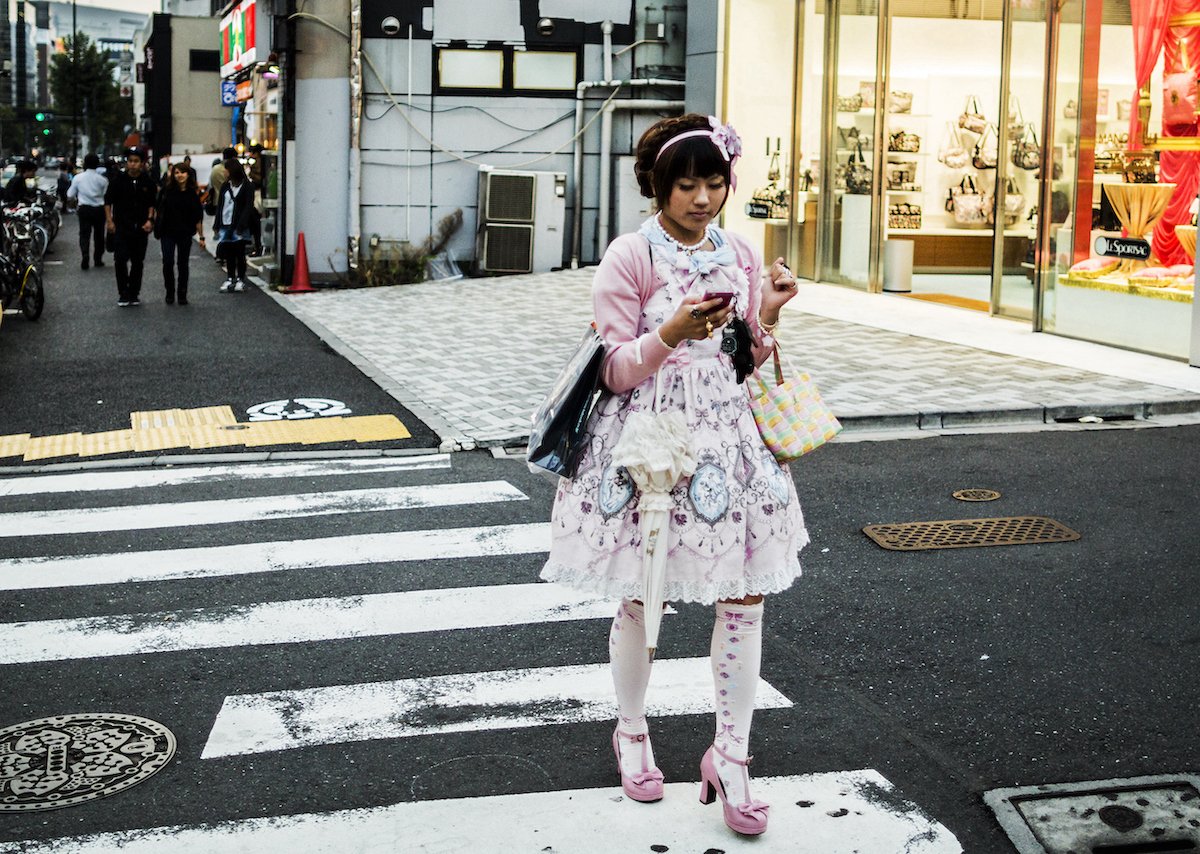
Lolita is soft, youthful and cute. It’s inspired by the fashions of the Victorian and Rococo periods, with many aiming to look like young girls or porcelain dolls.
Lolita started primarily in the 80s, with its roots growing in the 70s and hitting its peak in the 2010s. Like all these fashion subcultures, lolita began in (you guessed it) Harajuku, mainly on Takashita Street. As more and more young people gathered to socialise, they could see what each other was wearing, as well as being photographed for magazines like FRUiTS and the Gothic & Lolita Bible. From there, each subculture began to grow and evolve, spreading across individuals and reinforcing each subculture’s aesthetic.
Another aspect of lolita’s origin, is the rise of Visual Kei, a fashion movement in the music industry incorporating costumes, dramatic makeup and androgynous aesthetics (similar to glam rock in the Western world). Bands like Malice Mizer wore elaborate & Victorian style clothing, which led to fans trying to emulate their style. This and the combination of Harajuku’s influence created the birth of lolita.
The Lolita Standard
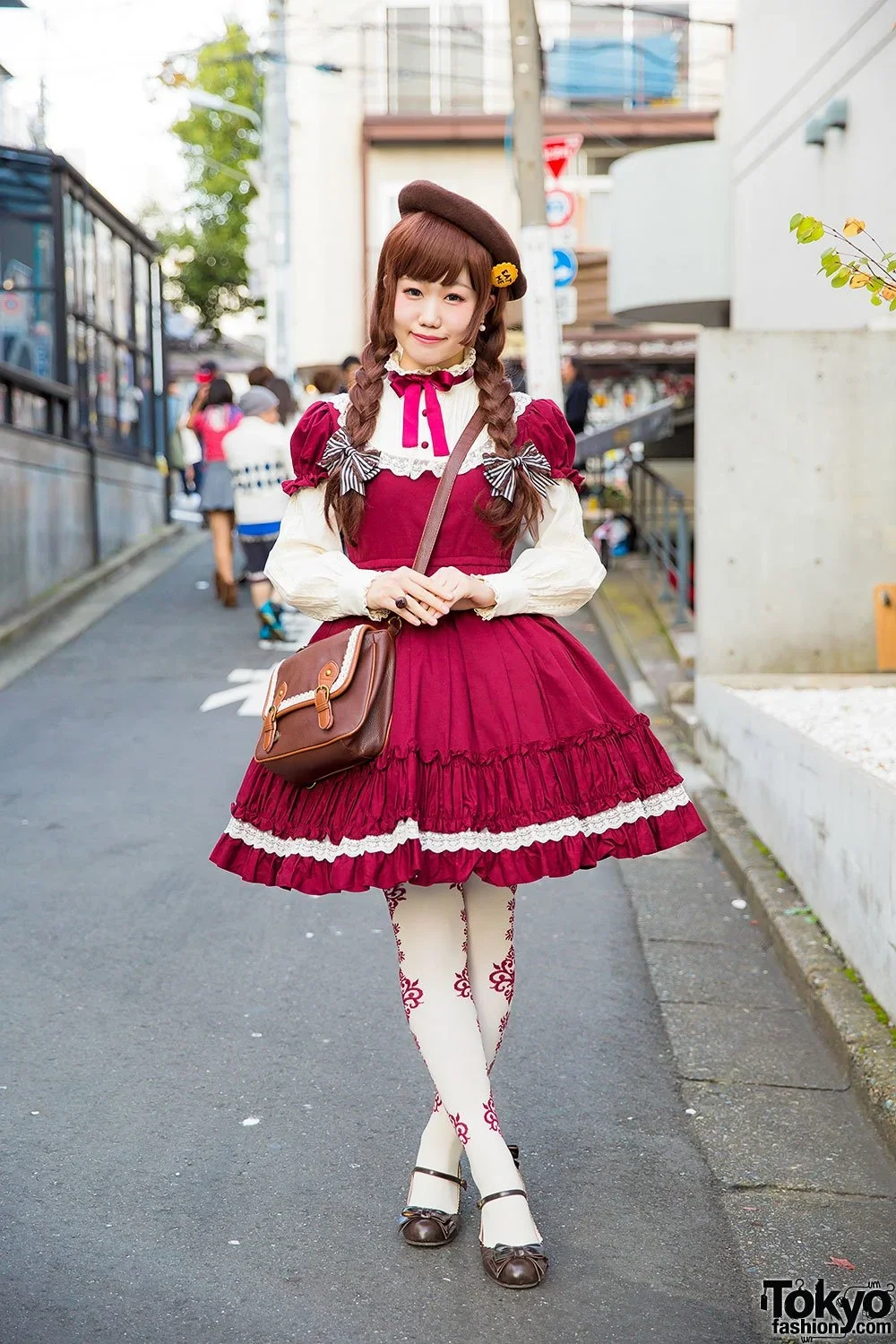
Unlike decora, lolita has a few overall rules behind it. Knee length skirts are fluffed by tulle petticoats, creating a bell or a-line silhouette, complimented by knee high socks. Ruffled tops or blouses are layered with cropped cardigans, typically with ruffled collars and cuffs. Long hair is curled and either kept long or put up into buns, with elaborate headpieces, berets, clips or bows.
The thing with lolita as a lifestyle, is that it can be very expensive. A full lolita outfit can cost around $1,000, as most brands are independent and use high-quality lace and fabric. There are many lolita brands to choose from, one of the oldest being Angelic Pretty, created in 1979. Many learn to sew their own dresses and create their own accessories. However, usually wearing ‘cheap’ dresses can be looked down upon in the community, as full commitment to the style is key to it not looking like cosplay.
Just like other fashion cultures, lolita has their own subcultures and genres within it. Here’s a few of lolitas subcultures:
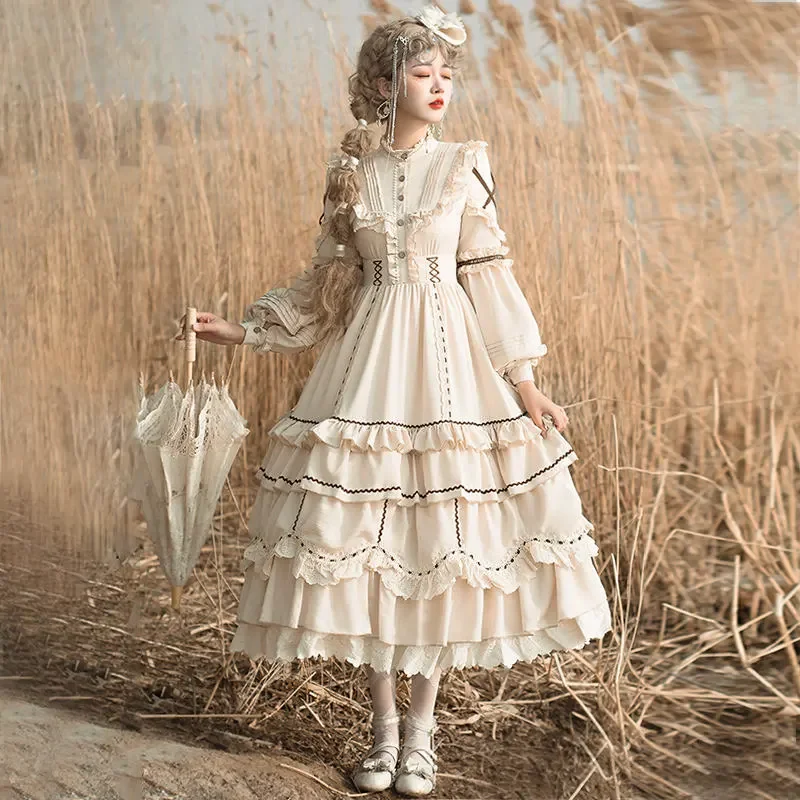
Classic Lolita - as opposed to the ‘child’ inspired lolita looks, classic lolita takes further inspiration from adult victorian styles; longer skirts, bonnets and aprons. Classic lolita focused on more timeless colours; muted pinks, deep greens and ivory.
Sweet Lolita - imagine typical lolita, but a lot cuter. Sweet lolita primarily focuses on pastel colours, usually pink, blue, lilac and white. Sweet lolita also incorporates cute prints, with motifs of strawberries, candies and desserts.
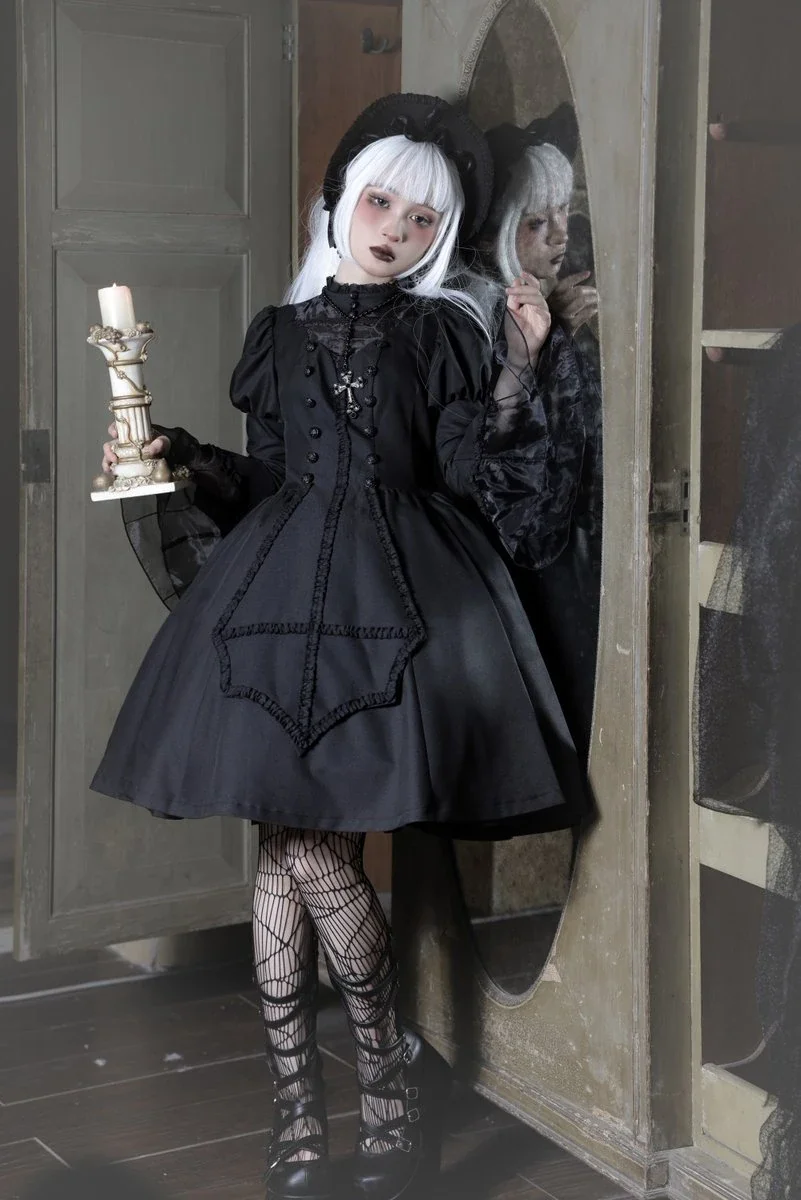
Gothic Lolita - lolita and goth, great combo. Goth lolita focuses more on darker colours; black, grey, dark red and navy. Gothic lolita uses more western religious symbols, usually crosses to adorn chokers, necklaces and corsets.
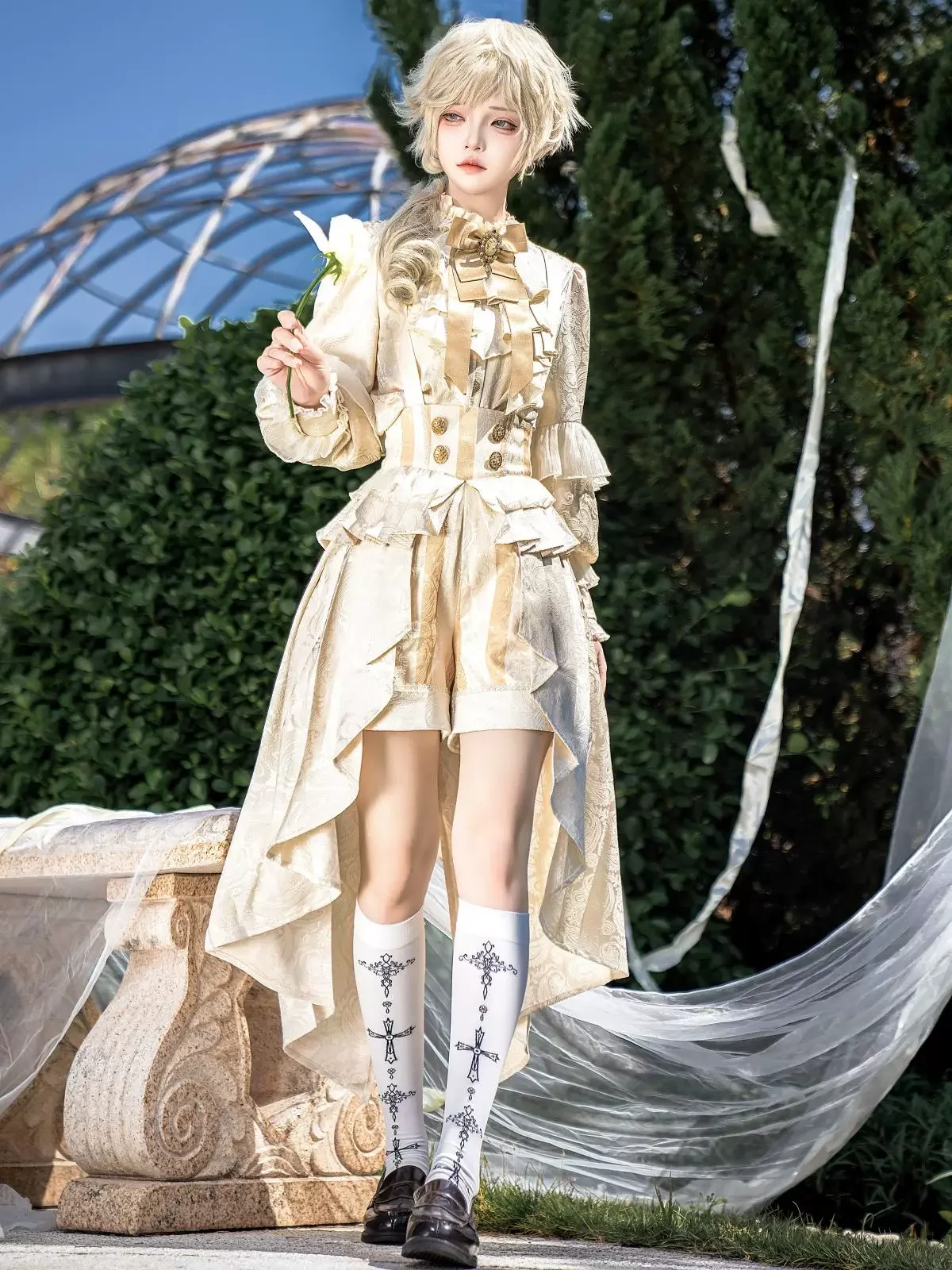
Ouji Lolita - also know as ‘boystyle’ is a more masculine version of lolita, inspired by Victorian & Rococo boys attire, including vests, shorts and coats.

Less Protest, More Joy
And to clarify, no, lolita as a fashion subculture has nothing to do with Lolita, the book by Vladimir Nabokov (ew), or anything in a similar vein, such as lolicon (ew).
Lolita focuses on modesty rather than sexuality. The inspiration from the clothing of the Victorian and Rococo era is primarily based off children’s clothing, not adult women. Dresses and skirts are knee length (rather than the full length gown) and corsets are rarely used to give shape to the body. Those who dress in the lolita style are focused on looking modest and cute, rather than appealing to the male gaze. In fact, one of the main draws of lolita is its non-sexual nature, its reversion to more modest clothing and dressing for yourself rather than male attention, finding ways of being a woman that isn’t sexual in nature. It’s not socially productive in the traditional sense, and it’s less of a protest against societal expectations, but it’s an activity of adornment and dressing for one’s own enjoyment and joy. According to Isaac Gagné (2008), the lolita community allows the participants to “articulate interests and desires… erased by the dominant male public sphere”.
While lolita has waned in popularity in Japan since the 2010s, it has grown internationally. Many Western fans of lolita have arranged their own lolita meetups to create communities. Lolita meetups often include; tea parties, picnics, croquet and ballroom dancing. Another facet of lolita is politeness, showing feminine strength using manners and maintaining a proper, demure and ladylike appearance.
Lolita provides an opportunity for the participant to construct an ‘ideal self’, to escape the serious parts of life, relieve stress, be kind and have fun. It’s not about rejecting life, but creating a space to enjoy life and explore things that are usually ‘off limits’.