Decora - More is More
Next up on our trip into Japanese Subcultures - Fabrication of Life, DECORA.
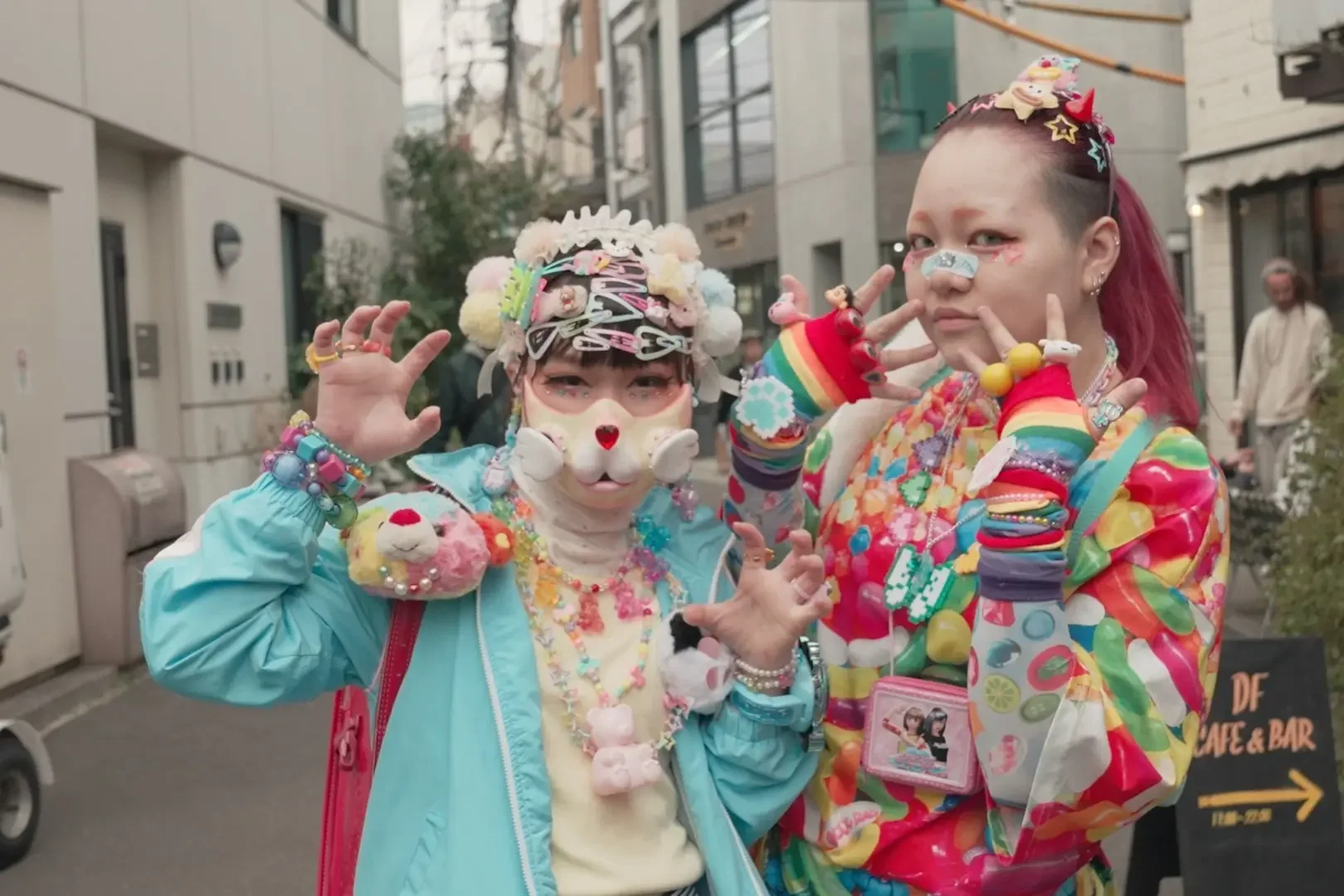
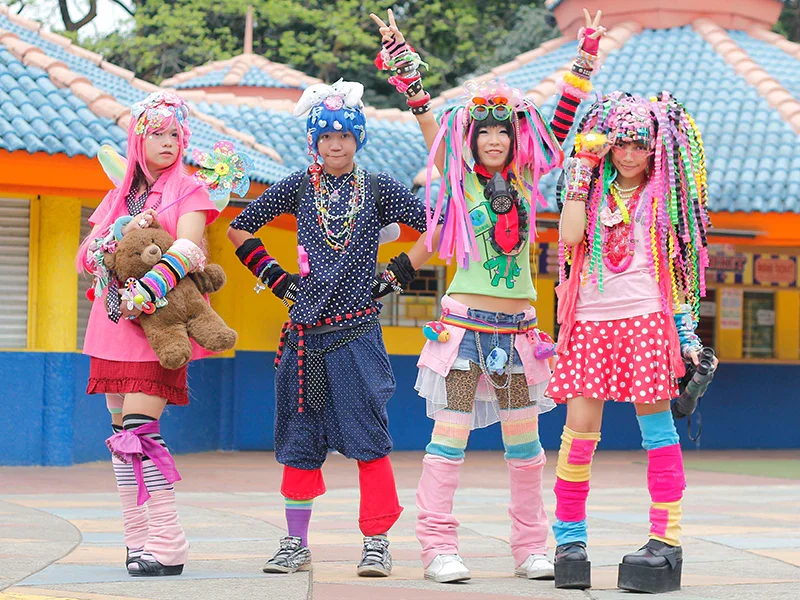
You can spot decora from a mile away. Bright neon colours added together in excess, clothing and hair detailed with accessories to the nth degree. If you imagine Harajuku fashion, decora is probably the first thing you’ll see.
Decora is a Japanese subculture originating from Harajuku in the late 1990s. Decora is based off the word ‘decoration’, which is represented through the sheer amount of accessories added to each look. The thing with decora is that it has very little rules, any combination of colours or silhouettes can still be considered decora. The main priorities are; colour, layering and a whole lot of accessories. The difficult thing though is that there’s not much on its history, it just sort of, happened through careful curation and a few catalysts, which we’ll go through below.
Hair clips, bows, necklaces, bracelets, rings, stickers - either in stars or heart or cute characters - is built up layer upon layer. Bold skirts are placed over colourful leggings, graphic tees under patterned jackets creates a childlike whimsy and a sense of chaos. Makeup and hair is an accessory in itself, short bangs, twin ponytails, buns, either coloured brightly or again, accessorised with hair clips upon hair clips. Makeup can be subtle or bold, often adorned with stickers, rhinestones or glitter.
Intentional Chaos
Decora is intentional in it’s chaos. Some people tend to gravitate towards certain colours or characters, arranging all the pieces together to create cohesion. Some will focus on a singular colour, others will seperate cool colours on one side and warm colours on the other.
One of the pillars of decora can be traced down to one individual - Japanese idol Tomoe Shinohara.
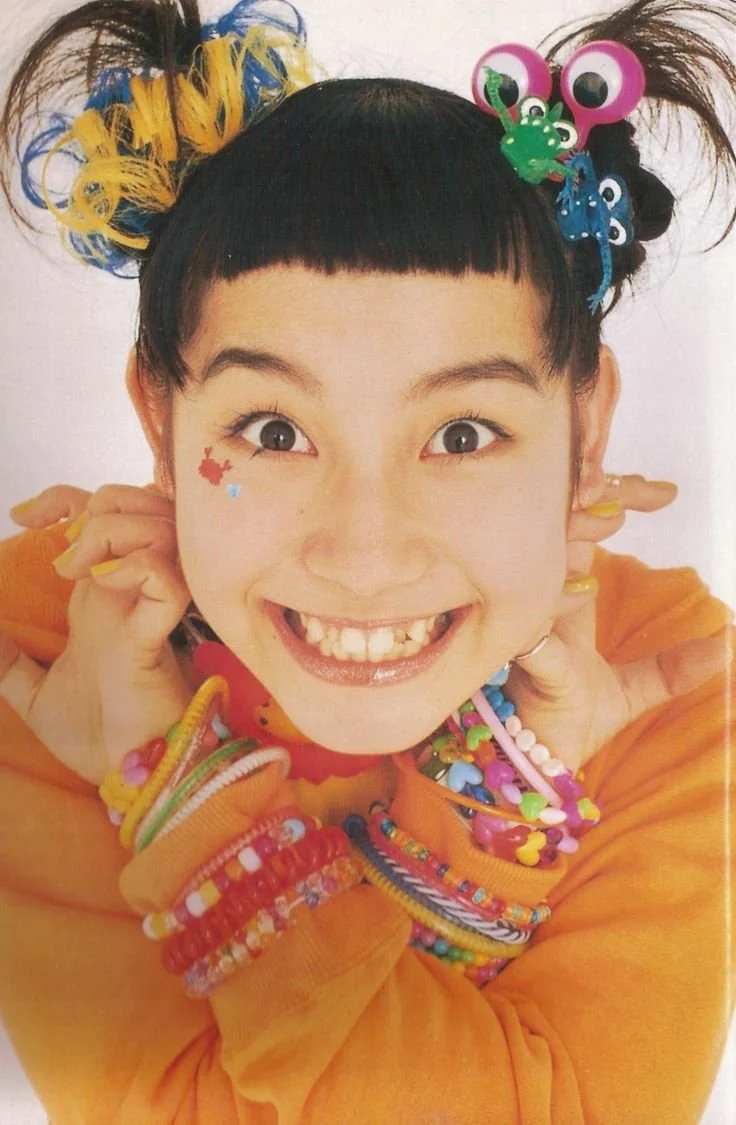
Starting her career as a TV host, Shinohara utilised her fashion to stand out and show her personality. She encouraged her fans to challenge femininity and embrace individuality over conformity. She wore large amounts of accessories, attached plushies to her outfits and combined primary colours to create a striking colour palette.
Her style inspired others to mimick her style, becoming known as ‘shinorers’ or the ‘shinora’ style. This formed the base of the decora style.
“I wanted to be completely different from everyone else in my search for a style that suited me. The TV screen was my stage, so I made colourful costumes and accessories for my performances. The delight I felt when I was making original pieces with my own hands and from the actual process of making clothes resonated — and my style eventually became a trend. ”
Alongside Shinohara, another foundational pillars of decora was forming - 6%DOKIDOKI. Created by Sebastian Masuda in 1995, 6%DOKIDOKI was a boutique located in the backstreets of Harajuku. Masuda opened the store at age 24, inspired by his interest in fine art and drama. The initial idea for the store was to be a long-term art exhibition for Masuda’s art, but it slowly turned towards by fashion by the encouragement of various customers. It started with accessories, then turned to clothing. At the time of the store’s opening, Japan’s fashion scene was inspired by Comme des Garçons and Yohji Yamamoto; seas of black and white fabric. What Masuda created, was a break in the monochrome, bright vivid colours all in one place.
The third pillar, is Shoichi Aoki’s FRUiTS Magazine, started in 1997.
FRUiTS gave decora legitimacy in the fashion scene. What was once fringe and eccentric became a lifestyle for many of FRUiTS readers. Two decora girls were photographed for the cover of issue 13 in 1998, instantly gaining fans of the style and inspiring those to pursue it and spread decora across Japan. For more information on FRUiTS and Harajuku street style, have a look at this article.
Decora Types
Again, here’s a few of decora subcultures:
Pink Decora - magenta, bubblegum, fuschia. Pink decora is hyper-feminine and super sweet, a cotton-candy inspired whirl of pinks, cute characters, hearts and bows.
Dark Decora - decora but goth basically. The bright neon hues are replaced with black, white, reds and purples, with motifs of skulls, crosses and spiderwebs taking over the cute characters.
Casual Decora - for those who can’t go all-in, all the time, here’s where casual decora comes in. Casual decora is more wearable, incorporating a few accessories, a few layers or a few bright colours.
Decora Lolita - two major subcultures combined, I think you can guess what those two are. The base silhouette of lolita with decora-level accessorising. Chaos meets elegance if you will.
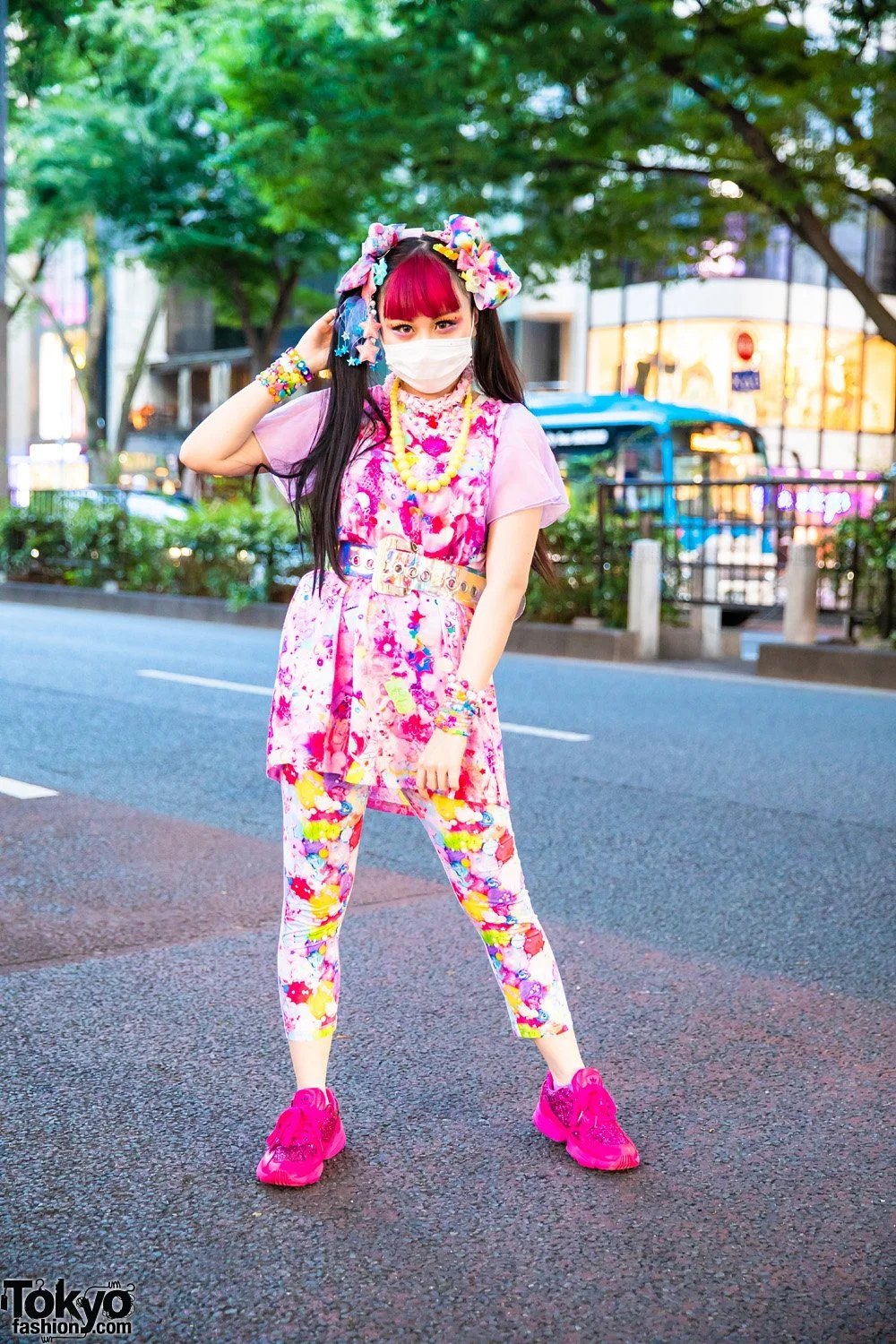
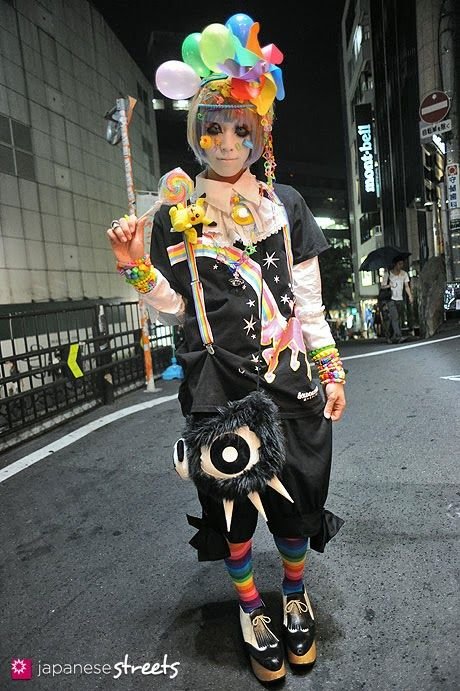
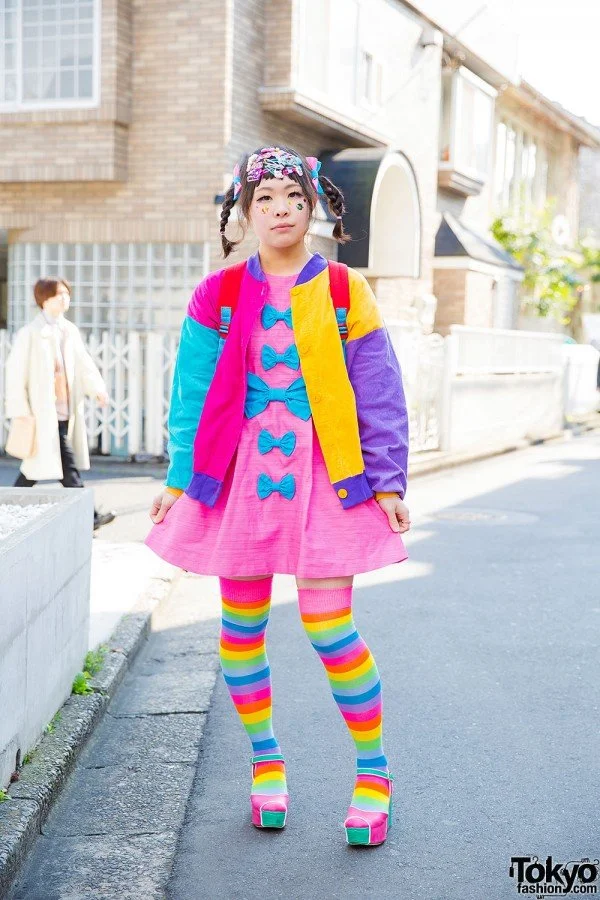
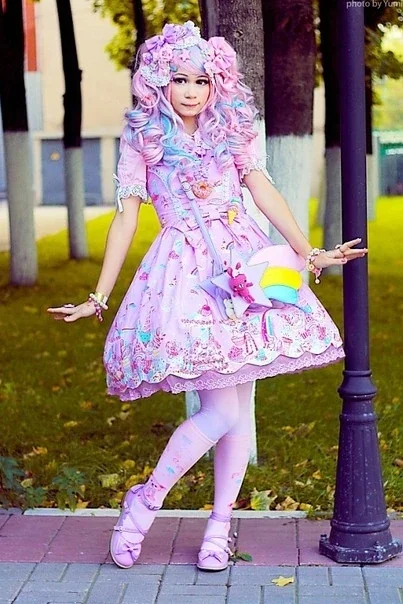
A primary aspect of decora is its DIY nature. Many accessories are created from old toys and perler beads, or by utilising crochet, knitting and braiding. Fabrics and vintage clothing is pieced together with more speciality purchases, including from brands such as 6%DOKIDOKI, ACDC Rag and Nile Perch.
Doki Doki Decora
The thing with decora, just like gyaru, is that its a protest against Japanese norms. Japanese culture prides itself in its conformity, rewarding harmony and collective identity. Decora disrupts this, showcasing unapologetic personality and unbridled excess. The playful aesthetic of decora challenges this sense of rigid adulthood, embracing innocence as a source of personal power.
However, those who engage in decora aren’t looking to escape adulthood and explore a childish lifestyle. Decora is not a style to be infantilised, as those who take part uphold their adult responsibilities while being savvy and stylish consumers. Decora is simply a bold way to exist as an adult, not replace it.
Decora is about joy - it’s about the heart fluttering feeling (the Japanese onomatopoeia for this is doki doki) you get when you see something cute or something you like. Each piece of a decora outfit is carefully picked and something that gives the wearer joy. It’s such a personal subculture, and that’s the beauty of it.