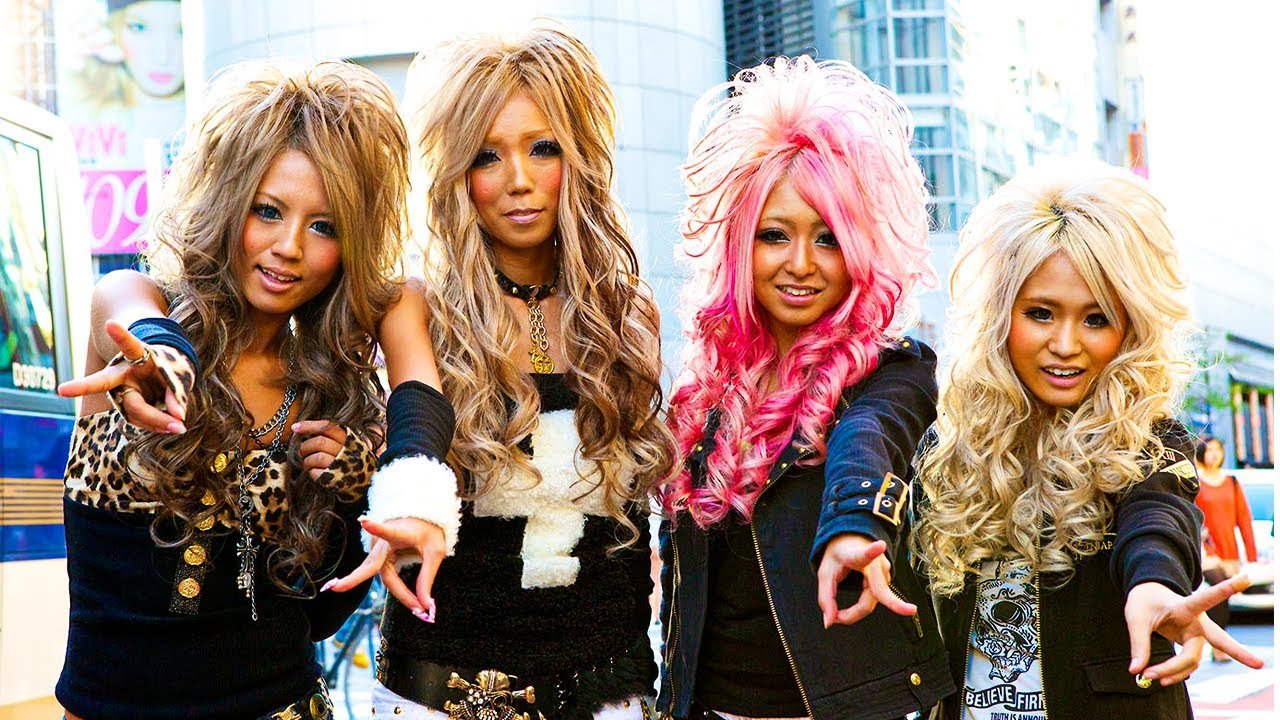
Gyaru - Rebellion in Animal Print
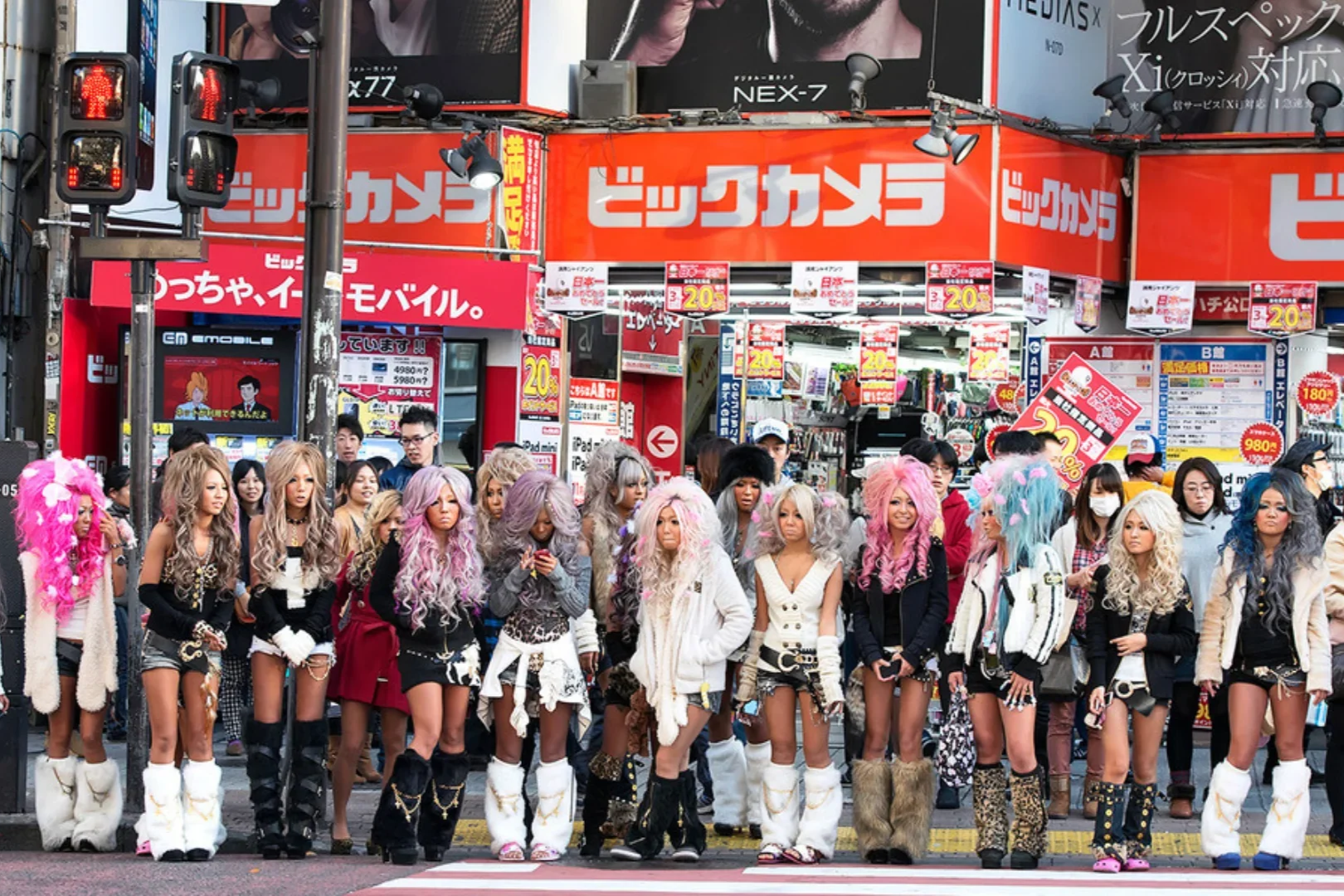
Welcome to a little miniseries I like to call; Japanese Subcultures - Fabrication of Life. Here I’m going to break down 4 of the most popular fashion subcultures in Japan; its history, most common types and impact. First up, GYARU.
Here’s the thing, Gyaru is less of a specific look and more of an overall vibe. There are many different subcultures of Gyaru, but the whole point of the fashion culture exists within all of them.
Gyaru started as a rebellion against traditional Japanese beauty standards. The word gyaru is the Japanese version of the English word ‘gal’. In the 1970s and 80s, the term gyaru referred to stylish young women. It wasn’t about a specific look, just an overall feeling. By the 1990s, Gyaru’s predecessor Bodikon was created. As Japan’s economic bubble was forming, college students and office workers began to wear bodycon dresses and suits that showed off their body shapes, inspired by Western fashion trends. As the style evolved, it became more radical. The early 1990s saw a rise in schoolgirls with a certain aesthetic - short skirts, tanned skin, luxury bags and Western accessories. Eventually, they became known as kogyaru (a blend of the words high schooler (kokosei) and gal (gyaru), essentially becoming the origin of the gyaru style. These girls were children of wealthy parents, being able to afford expensive accessories to display their style status. The kogyaru wore their school uniforms outside of school, turning a mandatory uniform into a personal and stylistic choice. (This is similar to the sukeban, who lengethened their skirts to express themselves and wore their uniforms outside of school, which you can read about here).
The initial perception of ‘gals’ was that they were ‘party girls’. A 1989 survey discovered by sociologist Namba Koji stated that young women viewed gyaru as “those who don’t care if their guy is from money or a good family; they go for trendy looks, clothing, behaviour and are cheerful”. It’s the idea of being socially active and superficial.
It was very common at this time that kogyarus were the girlfriends of chiimaa (the Japanese version of the English word teamers). Chiimaa were youths from Japan’s top private schools who spent their time organising underground (and underage) parties rather than studying. Eventually the chiimaa turned towards violence and gang behaviour, leading to a crackdown against these groups in the early 1990s. As the chiimaa trend fell, their girlfriends, the gyaru continued to have influence.
So, what exactly is Gyaru?
As the style slowly evolved, it became more radical. Women dyed their hair brown, blonde or red, tanned their skin, wore heavy makeup and bolder clothing and accessories.
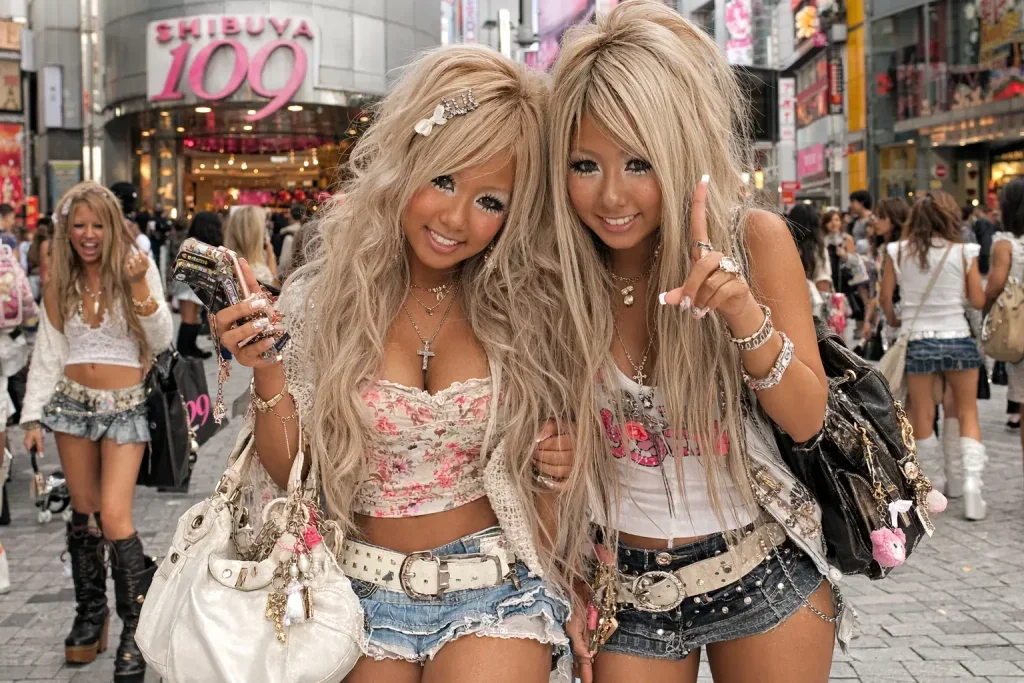
Makeup was an integral part of the gyaru style, especially as it became more extreme from the kogyaru style. The makeup was bold and youthful, incorporating the following elements. Full coverage foundation, intense contouring, false lashes and a combination of often colourful eyeshadow with white liner to create a ‘big eye’ effect.
Alongside the makeup, gyaru hair has a certain look. In addition to being ‘unnatural’ colours, hair is voluminous and textural, often with big curls. Often wigs, extensions and temporary colour sprays were used to widen the range of hair styles that can be explored. Similar to clothing, hair accessories were used in excess to embellish and personalise the look to each gyaru.
Clothing is obviously dependent on each gyaru’s preference, but there are a few characteristics that can apply to the overall gyaru style. Graphic tees, animal print, short skirts, chunky platform boots (or ugg boots) and flashy jewellery are cornerstones of the gyaru style, to be tailored to each member.
And I’ve got to mention the nails. Typical gyaru nails are long and covered with patterns, charms and crystals, but can vary on the subculture.
Gyaru Subcultures
Here’s a brief list of just a few of the different Gyaru subcultures:
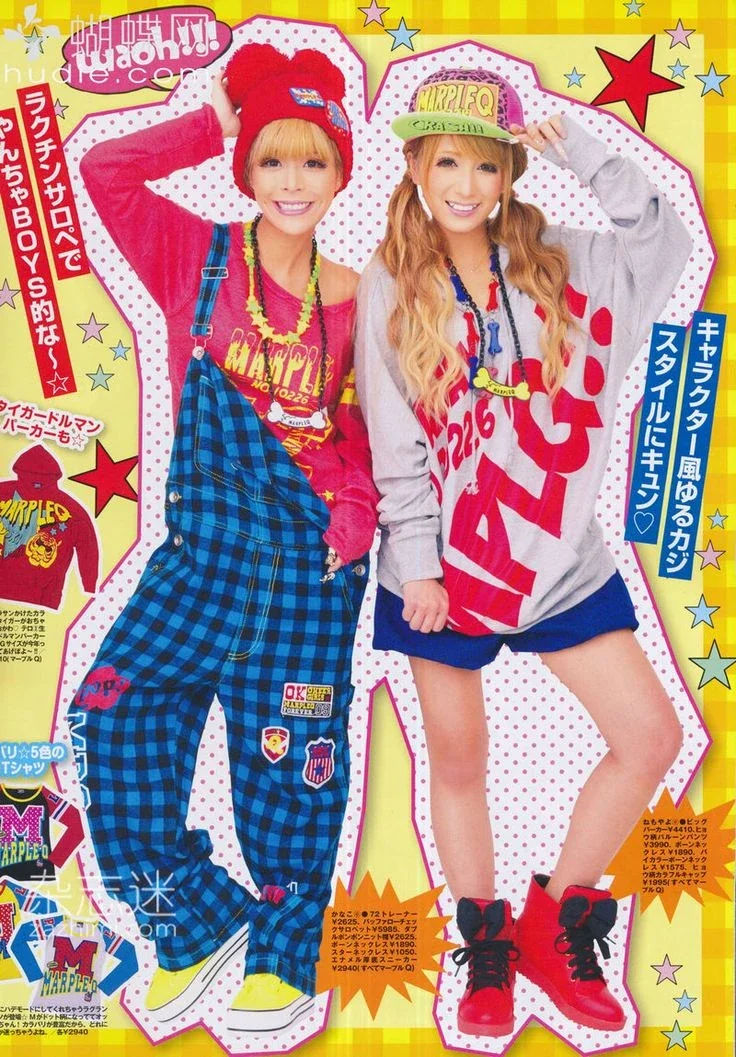
Amekaji - Popular in the late 1990s and early 2000s, Amekaji is inspired by US West Coast streetwear, combining surf, skate and hip-hop culture. It incorporates Western style the most out of the gyaru subcultures, with the name itself meaning ‘American Casual’. Amekaji as a term is also used for non-gyaru style.
Agejo - created by magazine Koakuma Ageha, Agejo was typically worn by hostesses (the main consumers of the magazine) but eventually spread to the overall gyaru community. Agejo hair was more complex and makeup was more subtle. The clothing was more feminine, incorporating lace, flowers, frills and silk.
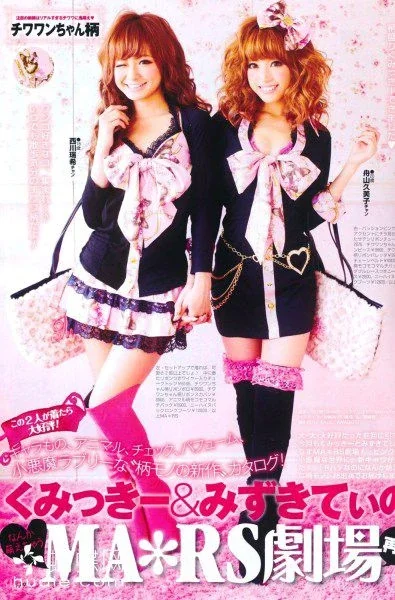
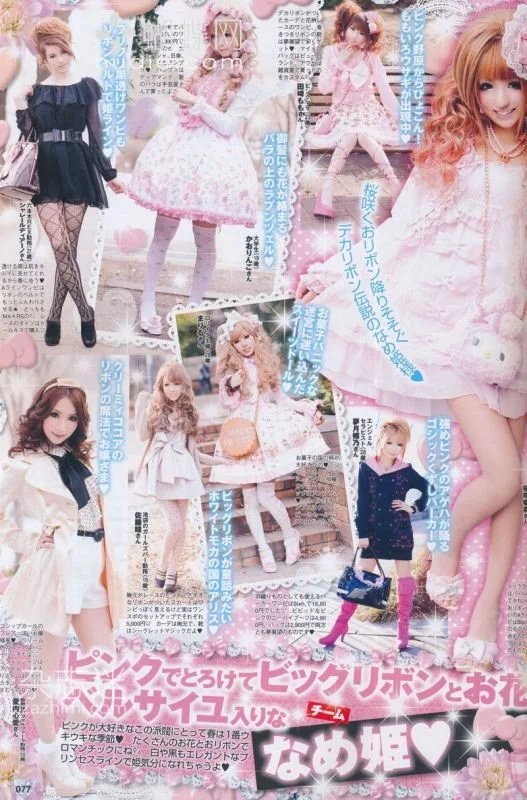
Hime - meaning ‘Princess Gal’, Hime Gyaru is (in my opinion) the intersection of gyaru and lolita styles. The goal of Hime Gyaru is to look cute and innocent, incorporating lace, bows, frills and soft colours like pink, white and cream.
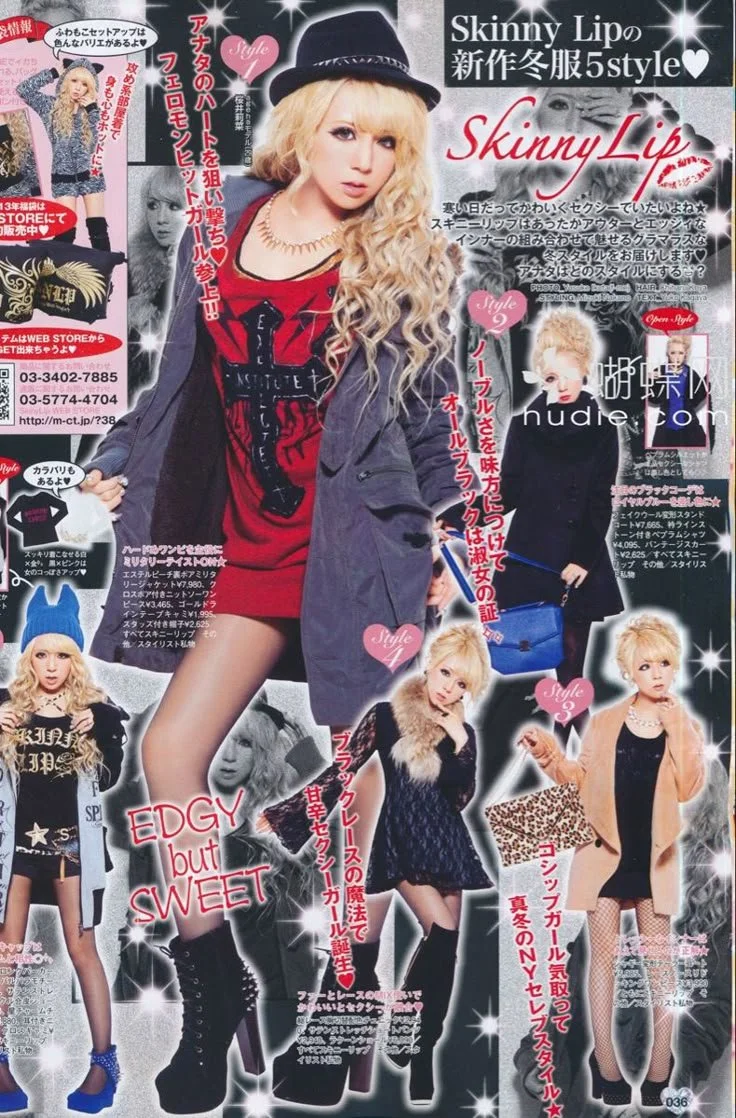
Rokku - ‘Rock Gyaru’ is one of the most alternative styles of gyaru. It incorporates influences from goth, rock and punk style, focusing less on tanned skin and colourful hair and more on darker makeup and black clothing.
Evolving for Protection - Ganguro
Gyaru’s first peak was in 1995, as the new style garnered attention from the media. Showing the high school girls in more ‘sexualised’ versions of their school uniform (primarily due to the shortened skirts) generated a moral panic as tabloids attributed the gyaru to a ‘deviance from the national character of morality’. This created a stereotype that connected the gyaru to teenage prostitution (which was vastly misleading at the time) and increased interest from older men. Upon receiving harassment from the public, the gyaru created their first transformative subculture: ganguro.
As the gyaru culture spread from wealthy students to their lower-class counterparts, the gyaru style became ‘cheaper’ looking. Everything became more radical, tanning became more intense, makeup showed more contrast and hair colours became more unnatural. Clothing and accessories were more over the top and excessive, and speech became more vulgar and ‘unladylike’. The ganguro was a defense mechanism against the sexual stereotypes and a way to shut older men out of their lifestyle.
The term ganguro literally translates to ‘black face’. To clarify, this doesn’t have the same connotation that it does today. The tan of the gyaru style was pushed to the limit, either through a tanning salon or dark foundation. An argument can be made that the darker skin tone of the ganguro can be tied to racist undertones within Japanese society, but its important to clarify that this was primarily an unconscious choice for extremity rather than racial prejudice, but I think it’s important to point this out.
The primary thing about Gyaru is that it was a protest. It was a rebellion against traditional Japanese beauty standards and social norms, as well as strict school rules. The concept that the ideal Japanese woman was expected to have pale skin, black hair and a quiet role was directly contradicted by the style of Gyaru. The introduction of ganguro was a resistance against the class-based consumer culture in Japan and sexualisation.
The Gyaru Echo Chamber
Shibuya was the hub for Japanese street style and gyaru style in the 1990s. Shibuya 109 was a shopping centre that opened in 1979, but reached it’s peak as gyaru vendors began to sold their clothing there. This turned Shibuya 109 into the clothing holy grail that it is today. At one point in the 90s, gyaru brand Me Jane was making ¥700 million per year.
As the original gyaru members grew older, they began to work at places like Shibuya 109, either as retail workers or designers. This created a perfect cycle, those within the industry became authoritative figures, ‘big sisters’ to those looking to get into the gyaru style. This also prevents the gyaru style from becoming overly commericalised and profited off by those who aren’t in the culture.
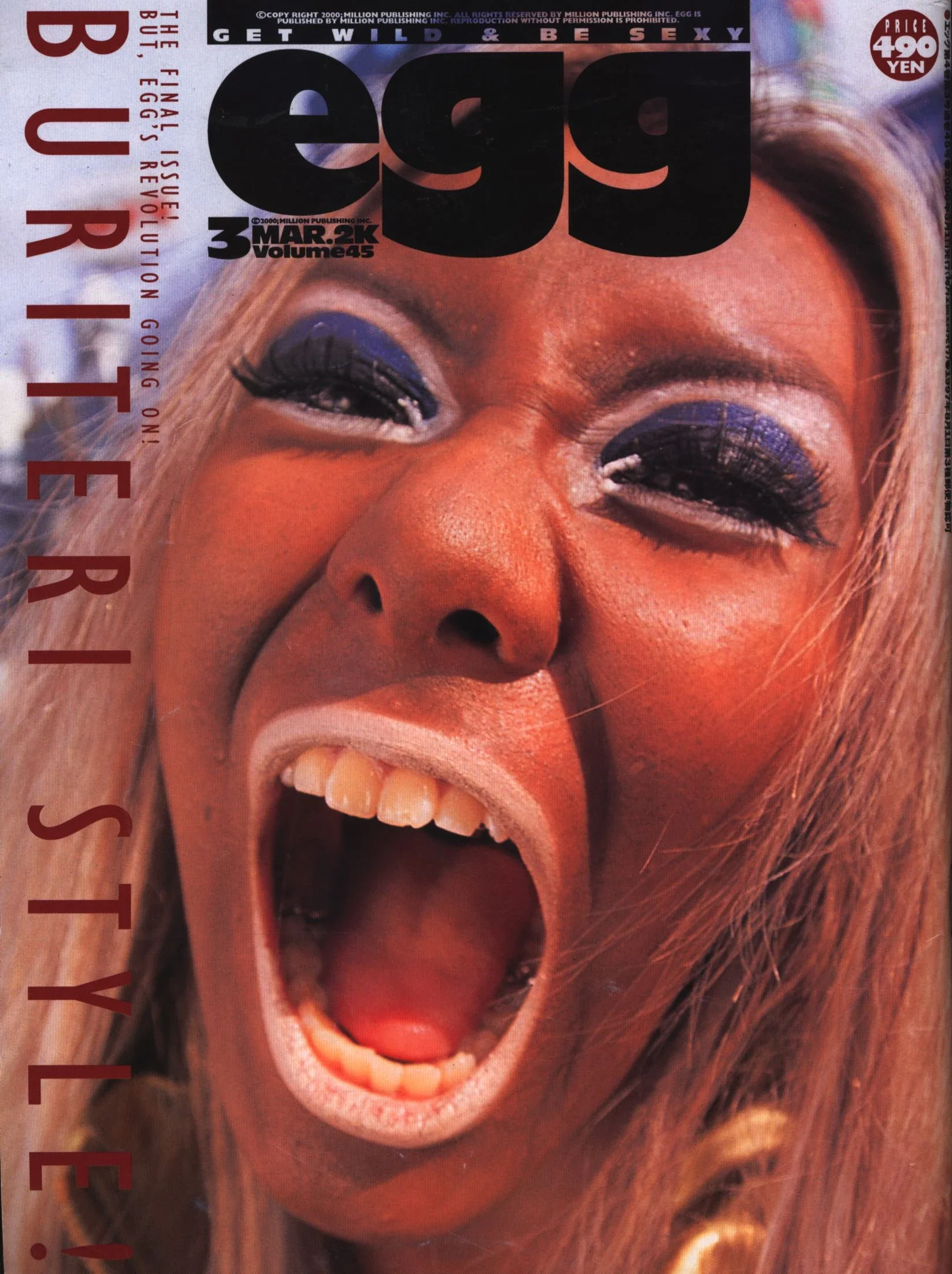
In addition to physical stores, gyaru focused magazine became popular. One of the most influential magazines was called egg (with its tagline as ‘BE WILD & GET SEXY!’), showcasing street style images, style tips and brand recommendations. This created an echo chamber for the gyaru style, as each member tried to stand out from the others and inadvertedely furthered the subcultures influence and style.
“Maybe, if you are cute, but everyone around you is also cute, you want to stand out from them. And once you stand out, everyone else has to take it to the next level to stand out from you. It wasn’t so much an anti-society thing, it was more like an oblivious-to-society thing. All they cared about was out-doing their immediate circle of friends, and maybe getting in a magazine.”
While shifting in popularity (hitting its peak in 2010), gyaru has continued to exist since its inception. It has constantly evolved, constantly shifted and constantly created new subcultures. Gyaru is transformative, not just on a physical and personal level, but as an overall trend. This is how gyaru stays as a protest, as a deviance against Japanese norms.
These girls didn’t want to be treated like the traditional Japanese woman, they didn’t want to be confined by the same norms. They wanted to free themselves, express themselves and find community and strength in each other. Gyaru started as a protest, and it will continue to fight against stereotypes and prejudice within Japan and the world.
Gyaru has recently seen a resurgence in popularity over the past few years, and while it still references the origins of gyaru, it incorporates more modern trends, such as the ‘clean girl’ aesthetic. It’s why I’m writing this article, the gyaru community is growing again, especially globally, but it still retains its transformative nature and protest.