
The Intersection of Fashion and Watches
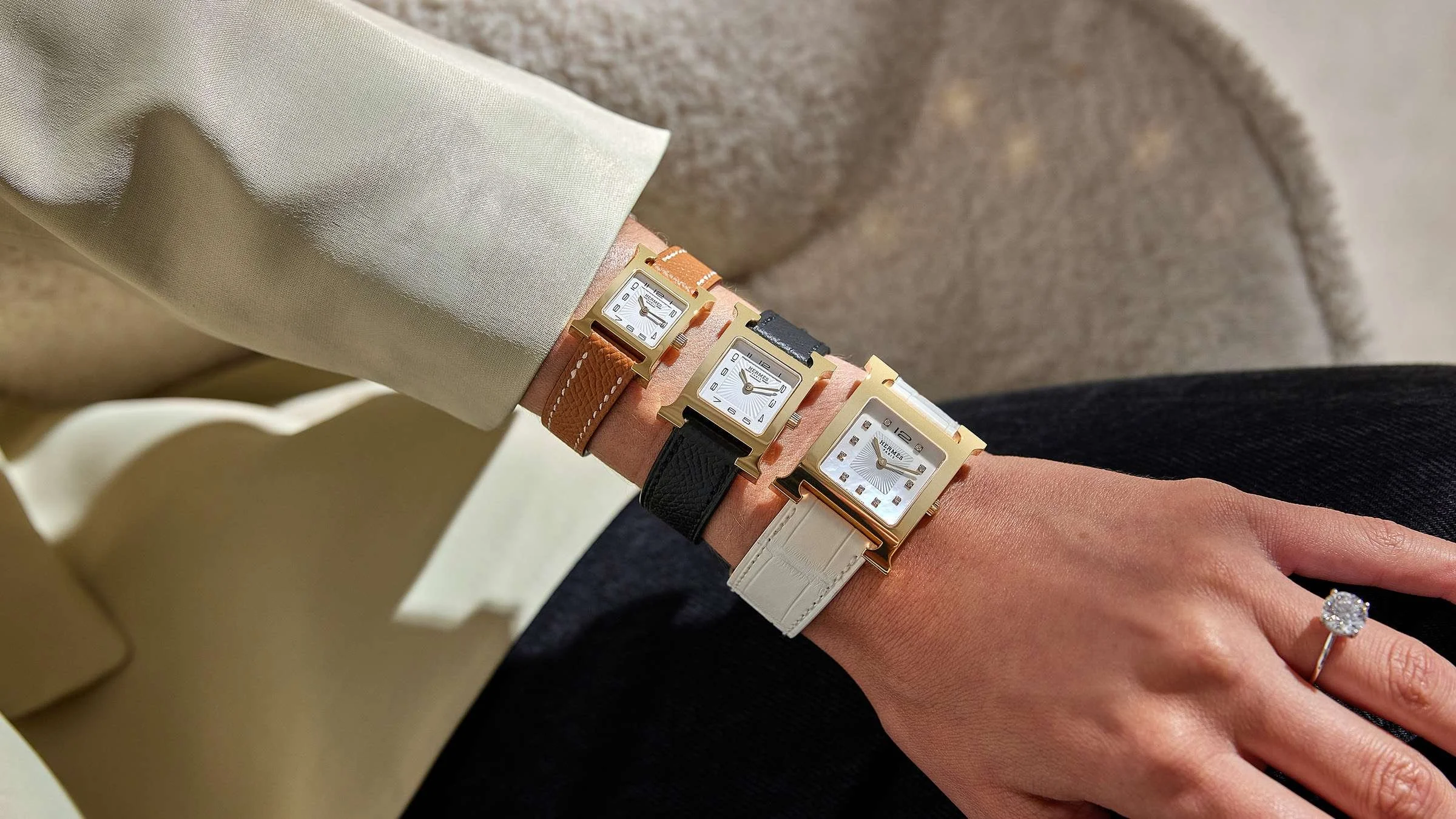
Okay, so this is a different one. I rarely talk about accessories or jewellery on PERSPEX, but things happen. Imagine this, your partner buys a watch, immerses himself into the world of timepieces, and here you are writing an article on the relationship between fashion and watches.
In my mind, watches were just a thing that existed, a simple way to keep time. I knew there were some facets of ‘fashion’ in watches, Rolex being the luxury brand and watches in general being a ‘wealth indicator’, but turns out, there’s a lot more to it.
So there’s this thing called ‘fashion watches’, watches created by fashion houses. It’s common for these watches to be written off as a cash-grab, an overly decorative dial over a cheap movement, nothing more than a brand accessory.
However! While luxury fashion houses can take a watch and make it,, awful (more on that later), there are some brands and some watches that have made timepieces more innovative and more inclusive for all.
But first, a small history lesson. (Don’t look at all the paragraphs coming up, its just a quick recap.)
By the 16th century, clocks became small enough to be worn as pendants, with mechanical pocket watches spreading across Europe. Small improvements over the next few centuries led toward mass production, with companies in Britain, America, Switzerland and France leading the industry. Swiss watchmaking specifically rose to prominence in this time as religious bans of decorative jewellery led to many jewellers and goldsmiths to shift professions.
One of the first wristwatches (described as ‘arm watches’ at the time) was given to Elizabeth 1 in 1571, as wristwatches became more of a decorative piece primarily worn by high class women, which is very different to the masculine industry we know today. However, this wouldn’t be classified as a wristwatch in the way we know them now, as these watches were was more decorative than functional, as women at the time were discouraged from practical timekeeping.
Daniel Quare created the watch dial we know today - with a concentric hour and minute hands, as opposed to three seperate dials introduced more than 100 years earlier.
The wristwatch became more refined over time, with Patek Phillipe and Abraham-Louis Breguet creating the first bracelet-style timepieces in the 1800s, for the Countess Koscowicz of Hungary and the Queen of Naples respectively.
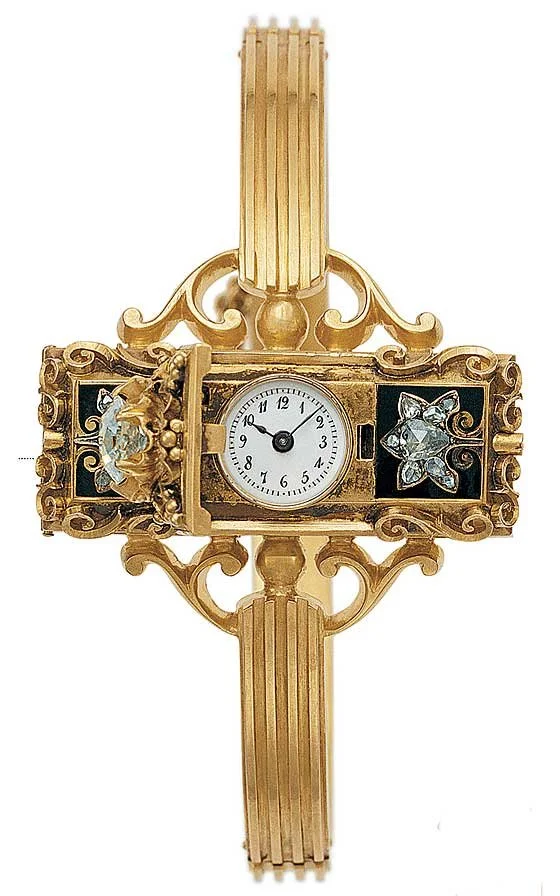
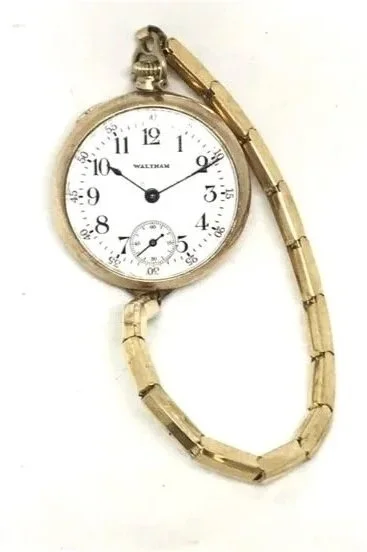
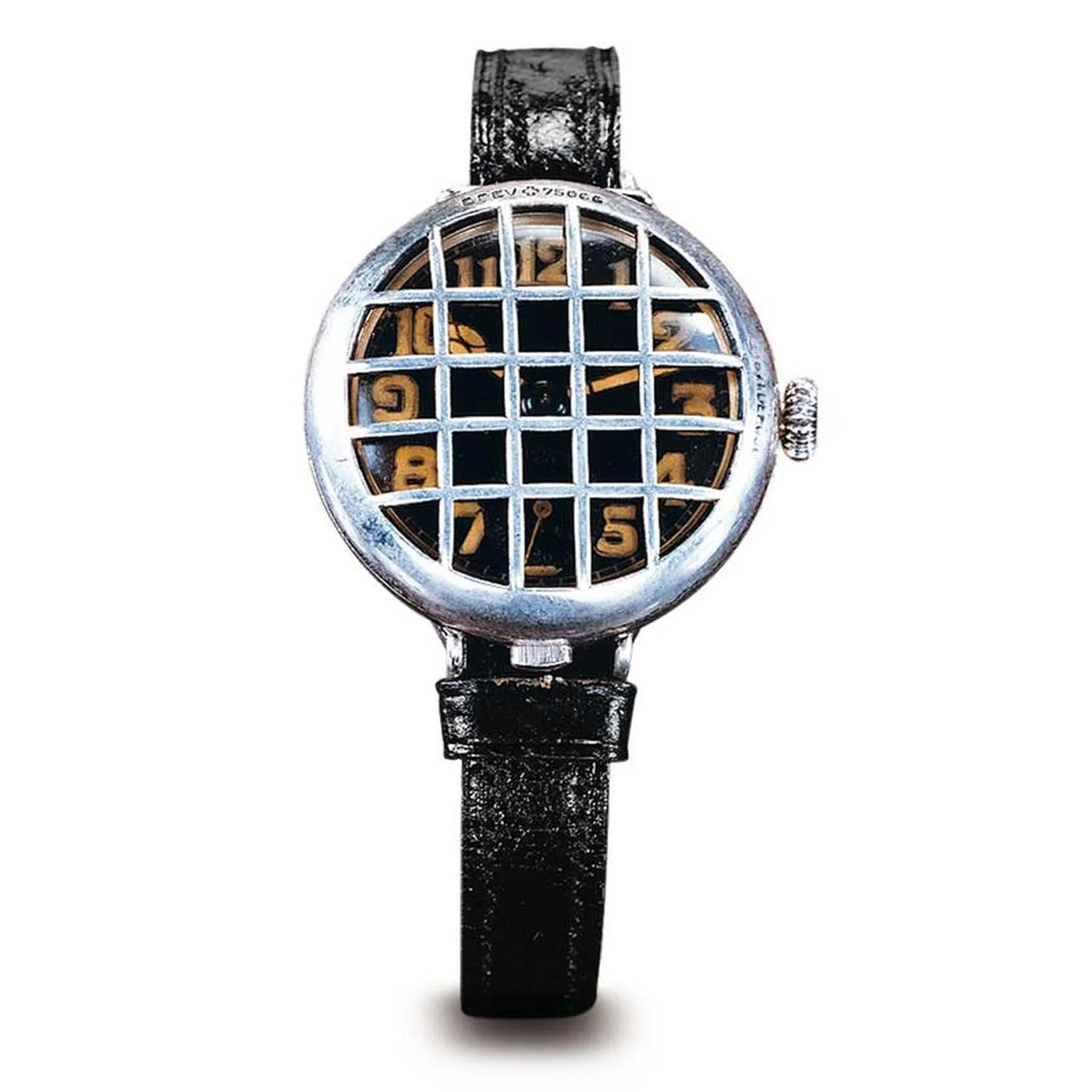
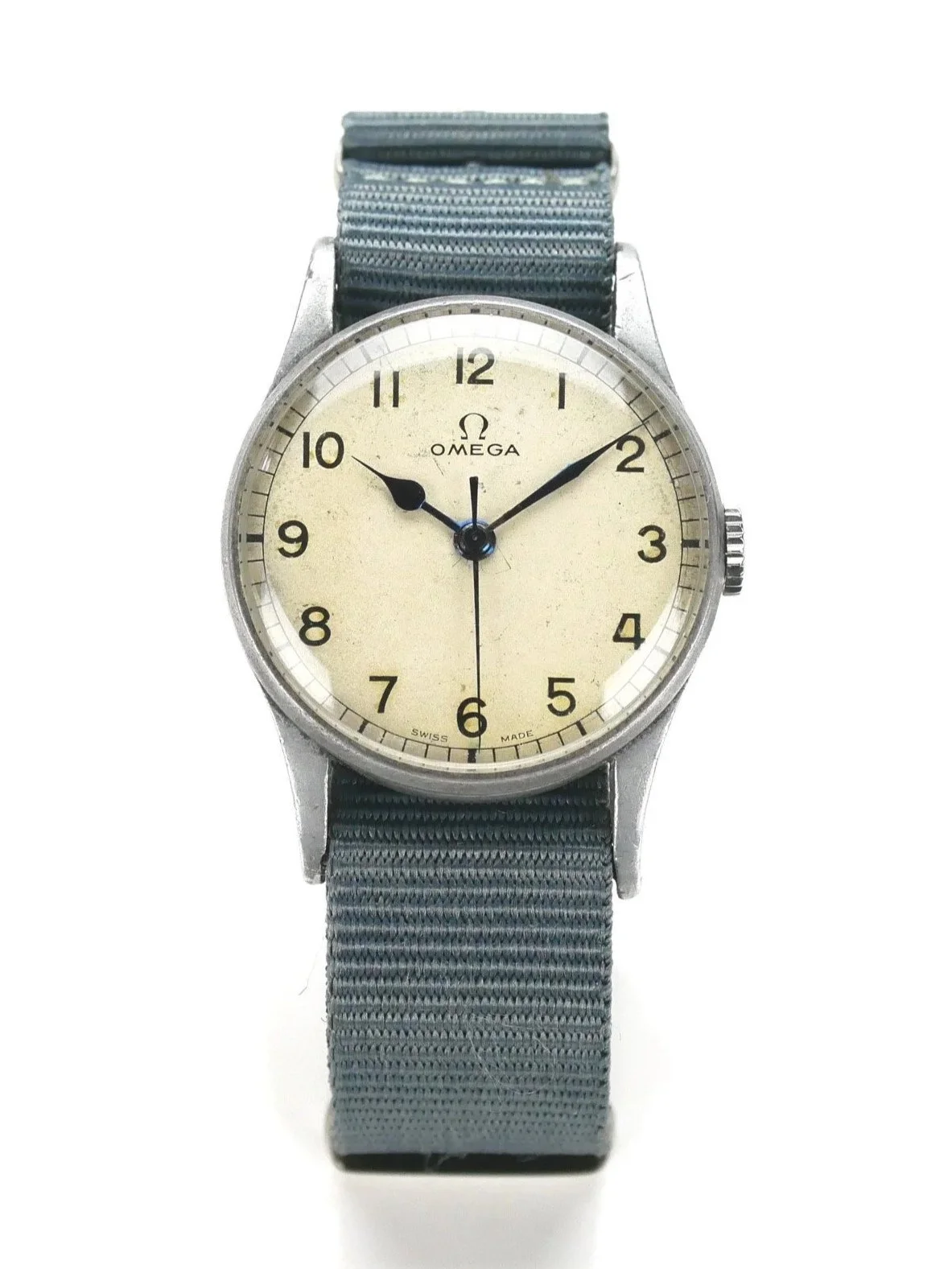
During the Industrial Revolution, it became fashionable to be on time. Transportation was revolutionised and owning an accurate watch was only for the rich and influential. By the 19th century, wristwatches were mass produced. Used to synchronise war efforts without having to pull a watch out of your pocket, Girard-Perregaux was the first brand to produce large amounts of wristwatches for the German military.
Now, 1916. The New York Times published an article titled ‘Changed Status of the Wrist Watch’. This laid out how wristwatches were seen as a joke, a fad, but has now changed to a practical tools for both war and civilian life. This marked a shift from wristwatches being ‘ladies watches’ to an overall tool for punctuality and convenience. Men began to adopt the wristwatch, women’s watches became more accurate and by the 1930s, wristwatches took over 50% of the pocket watch market.
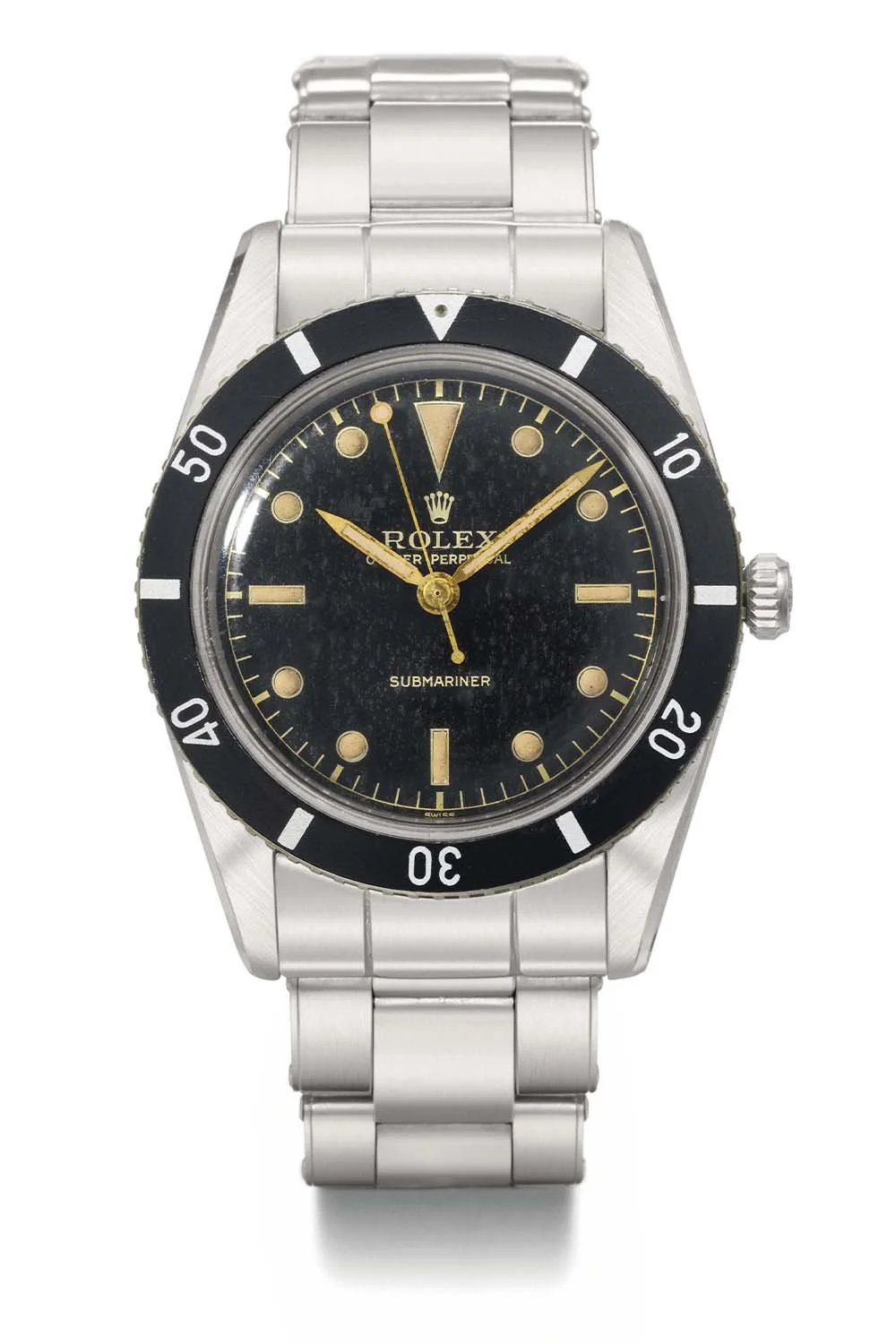
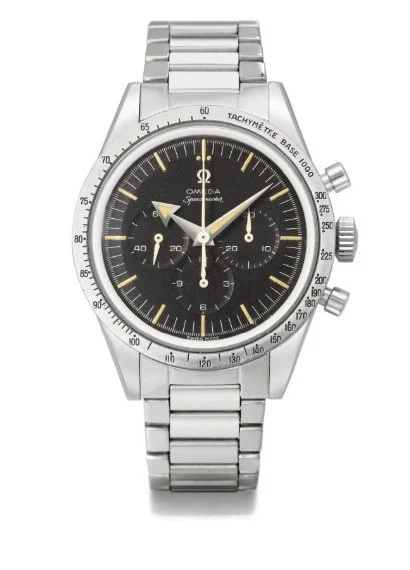
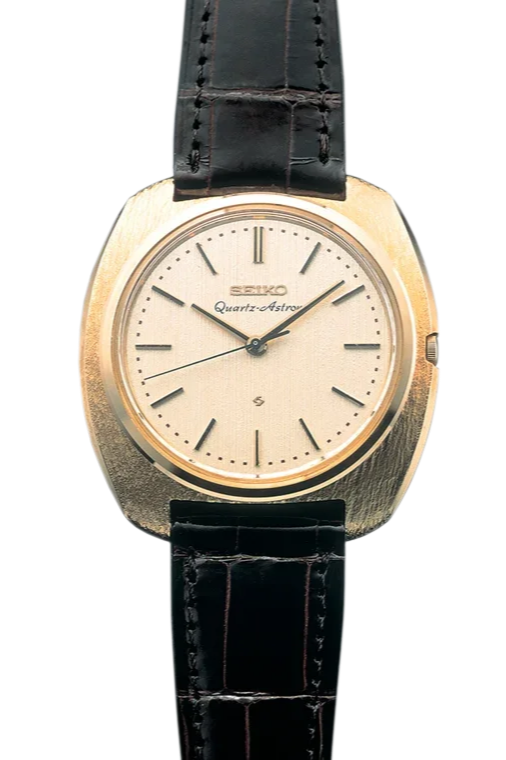
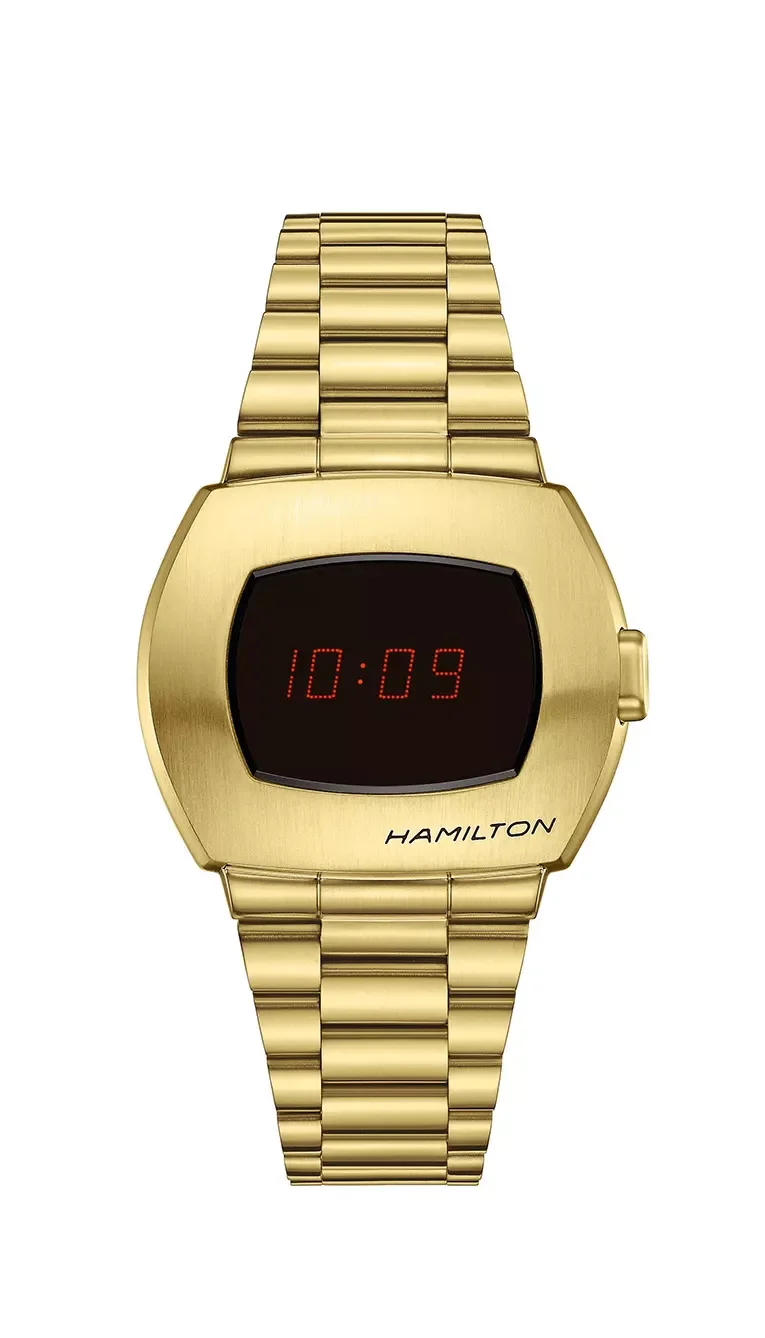
The first automatic movement was made in 1923. Rolex created the Submariner, the first luxury diving watch in 1953. The Omega Speedmaster Professional was the first watch on the moon in 1969, a symbol of human achievement. The first quartz watch was made by Seiko in 1969, with the first digital wristwatch introduced in 1972.
Quartz watches are 100 times more accurate and much cheaper than their mechanical and automatic counterparts. The quartz revolution led to a downfall of the Swiss watchmaking industry, as Swiss watch production fell from 90,000 to 28,000 units per year between 1970 and the late 1980s. Swiss watchmakers like Rolex, Patek Philippe and Audemars Piguet shifted from precision timekeeping to luxury and creativity.
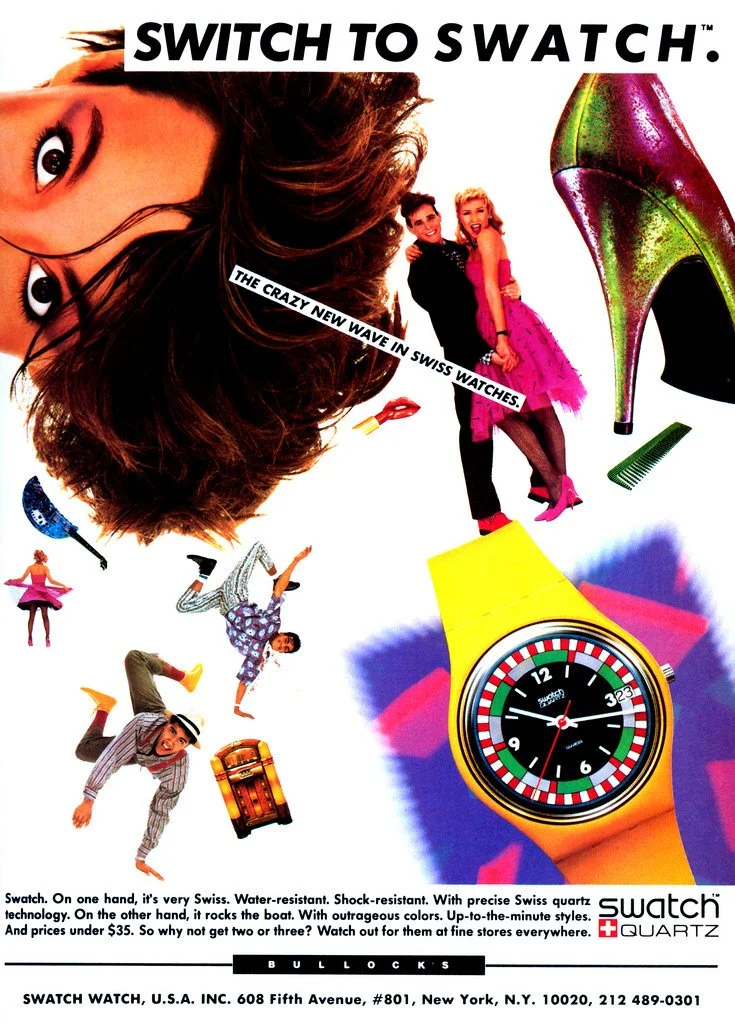
Brands like Swatch (which means ‘second watch’) was a direct response to the quartz crisis. Swatch’s purpose was to create cheap fashion/design-led watches, to encourage repeat purchases and to be fair, be very antithetical to the traditional watch industry. Watches were pieces to be worn for a lifetime and passed down through generations, but here comes brands like Guess, Fossil and Swatch, with the latter promoting ‘a Swatch for a season, not a watch for all seasons’. This stresses the relationship between fashion and watches, as many luxury fashion houses took note and created timepieces of their own.
It took two decade for the quartz crisis to subside and for mechanical watches to take back a prominent spot in the watch industry, essentially leading to the watch world we know today.
Okay, that was a lot of history. Nothing like centuries of innovation and creation condensed into a few paragraphs. Now to the relationship between fashion and watches:
Rolex is synonymous with luxury fashion. It screams success, luxury and style (maybe not taste depending which watch someone wears), similar to the way Hermes or Burberry says the same thing.
While I think ‘iced out Rolex’s’ are nasty, Rolex does have rich legacy of innovation and quality. From developing their own types of steel and gold alloys to designing and manufacturing everything in-house, Rolex does take watchmaking very seriously. Comparing Rolex’s iconic models from the 1960s to today, not much has changed. This is part of the brand’s design DNA, not obeying to fleeting trends and creating versatile and timeless designs.
And Rolex’s work, like, they don’t stop. After crossing the English Channel in 1927, summiting Mt Everest in 1953 and descending to the lowest point of the Mariana Trench in 2012, each watch came out ticking perfectly. I’m not a Rolex shill or anything like that, but Rolex does deserve it’s place at the top of the watch ladder. They are prohibitively expensive though and I don’t like their non-committal waitlists, but what can you do.
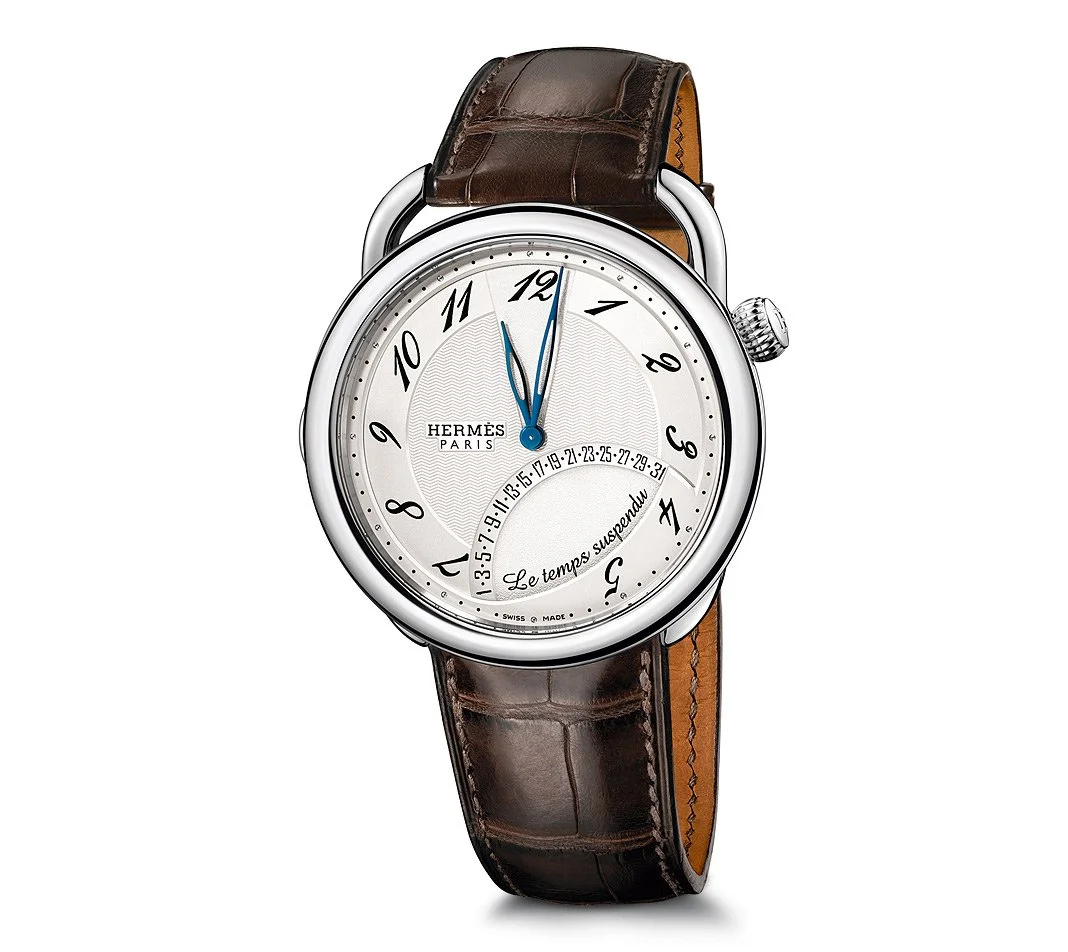
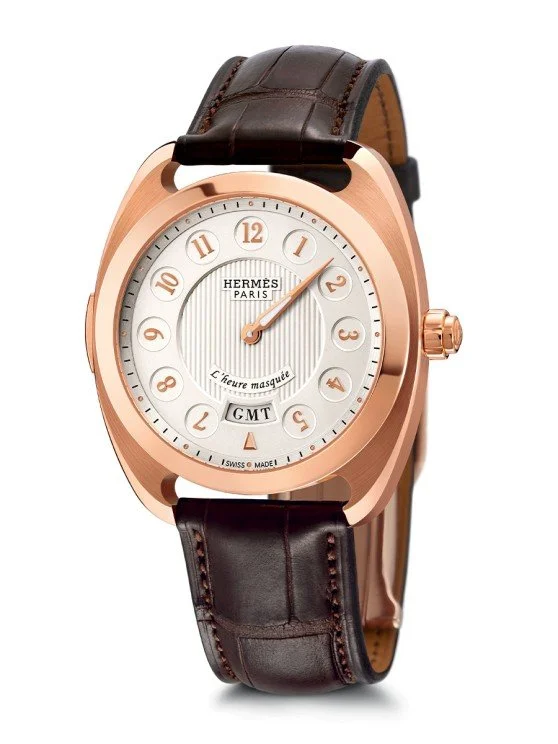
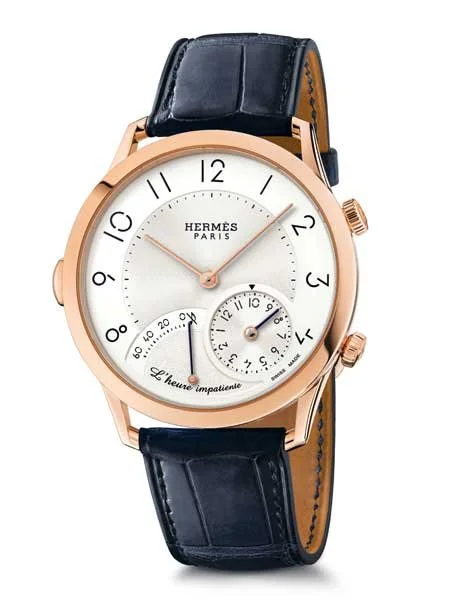
Hermes created their own watch manufacturer in 1978, La Montre Hermés. While they started with quartz watches, Hermes created timepieces inspired by their own heritage, and eventually moved into mechanical watches and purely innovative concepts.
Time Suspended, The Impatient Hour and Time Hidden were a trilogy of timepieces with ‘poetic complications’. Their mechanics are philosophical statements, creating a commentary of the enjoyment of life over how much time passes. Quality over quantity. Time Hidden and Time Suspended gave ways for the wearer to essentially ‘hide’ the time, either displaying the incorrect time (Suspended) or hiding the hour hand underneath the minute hand (Hidden), needing interaction from the wearer to display the correct time. It gave space to enjoy the moment, a respite from the daily monotony. The Impatient Hour adds an up-to 12 hour timer, which can countdown to a momentous occasion and celebrates the special moment with a single chime.
Chanel created the J12 in 1999, a purely unisex design. It was robust and structured, but still aesthetically pleasing to look at with its monochromatic colour palette. It marked the successful intersection between fashion and serious watchmaking.
Louis Vuitton established their watchmaking division in 2002. Creating the Spin Time in 2009, a central dial with a single minute hand surrounded by 12 rotating cubes, with the relevant hour spinning to a different colour for easy time telling. In 2013, Louis Vuitton created the Twin Chrono, capable of timing two events and the difference between them. However, while the Carpe Diem watch is an impressive automaton watch, it is, in my opinion, ugly and awful to look at, so maybe fashion houses shouldn’t try everything.
So all in all, fashion watches can be good and bad. They can be legitimate innovations in horology (thats the measurement of time and art of making watches), or just ugly commercialised pieces. Whatever you prefer.
However, the longstanding history of watches and watchmaking is rich and ever-evolving, with many brands looking to pioneer materials and complications, to push the limits of human endeavours.
Didn’t know much about watches before, turns out its a lot more interesting that I thought.